








Jeppe 2017-2026.
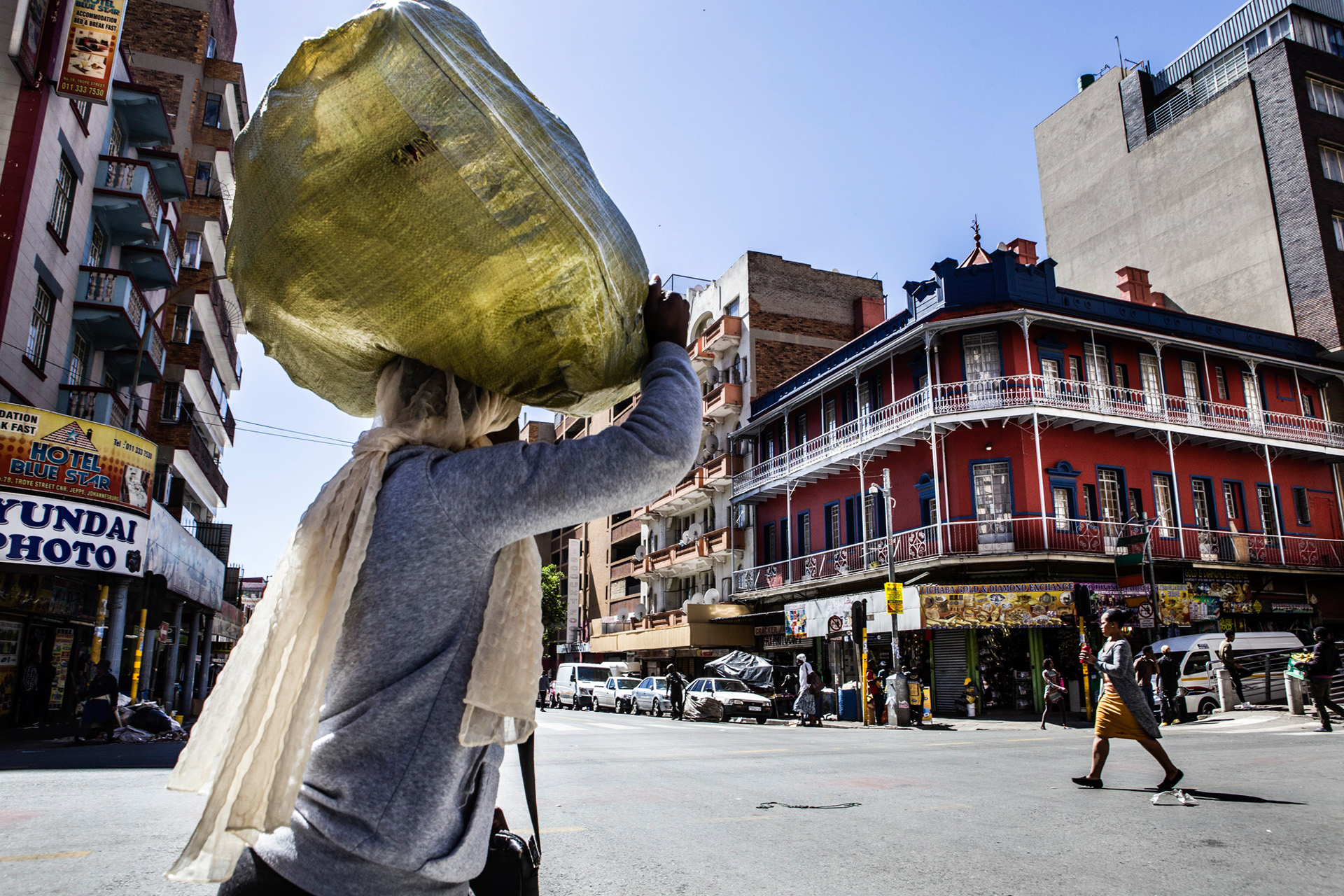
In the 1980s, when the inner city (then known as ‘town’) was leading the charge towards mixed-race living, I lived in an apartment on Jeppe Street – now Rahima Moosa Street. The city then moved to a very different beat. Now, this index street gives the area its local naming of ‘Jeppe’ or ‘GP’. And a new tide of commercial experimentation has swept through these streets.
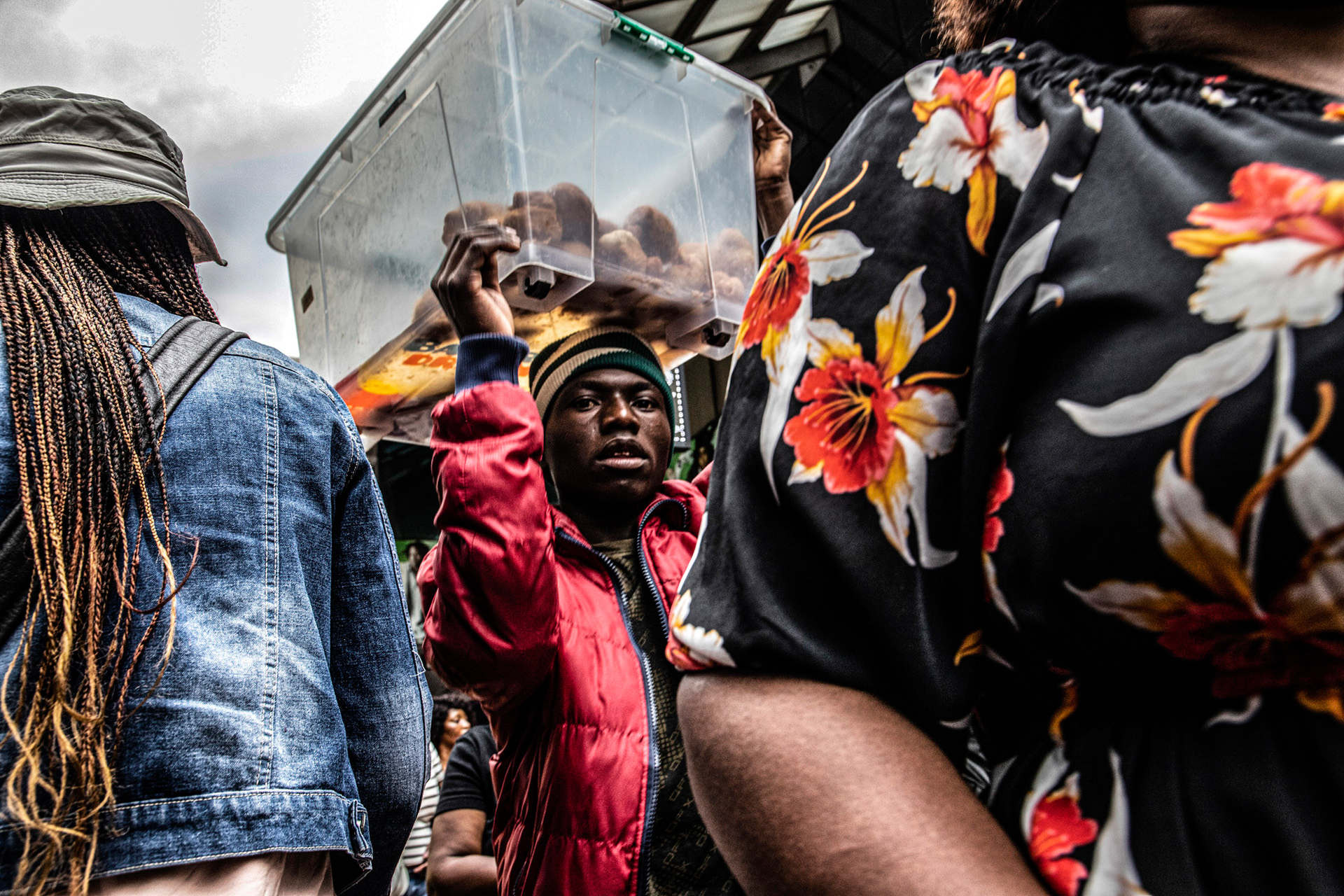
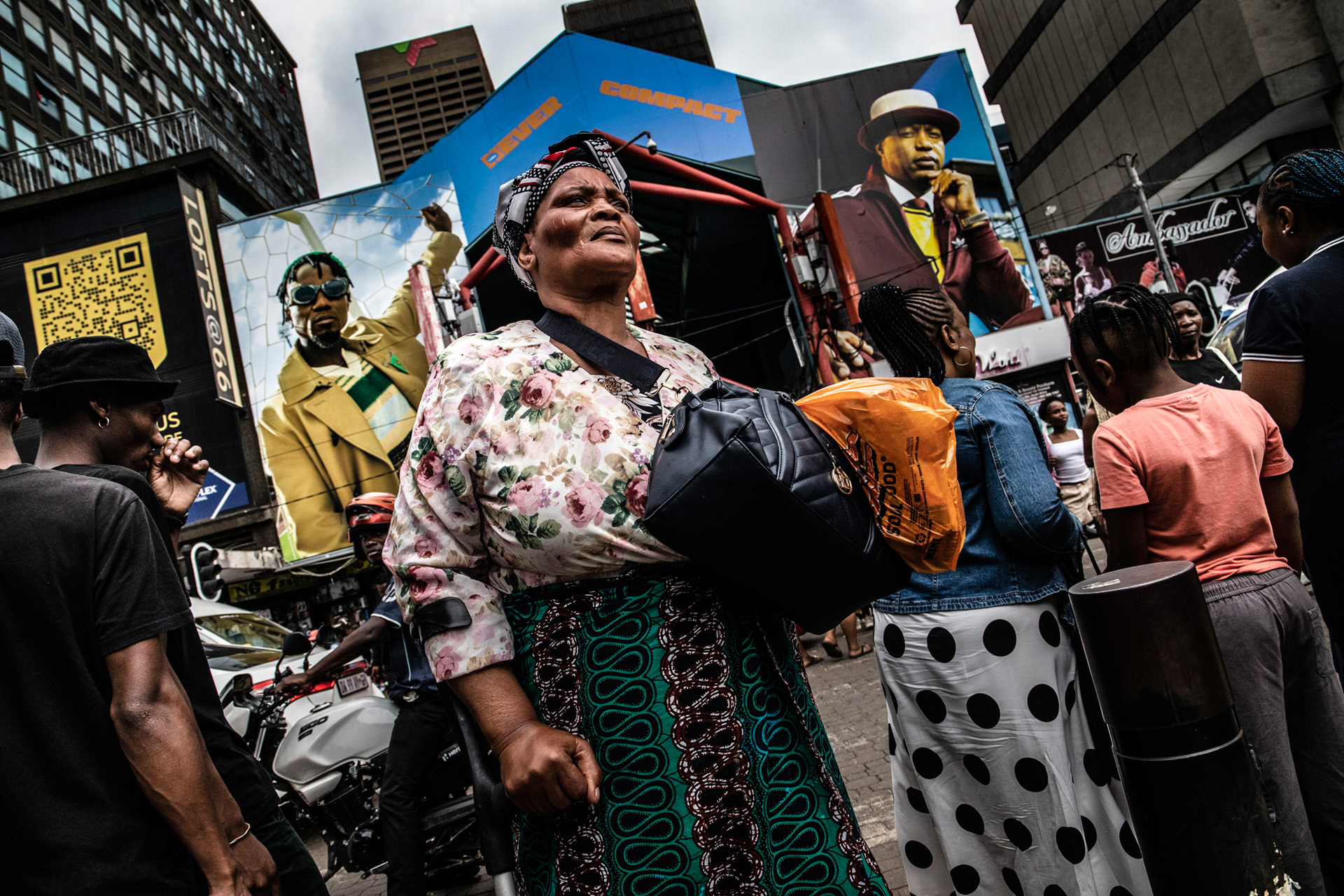
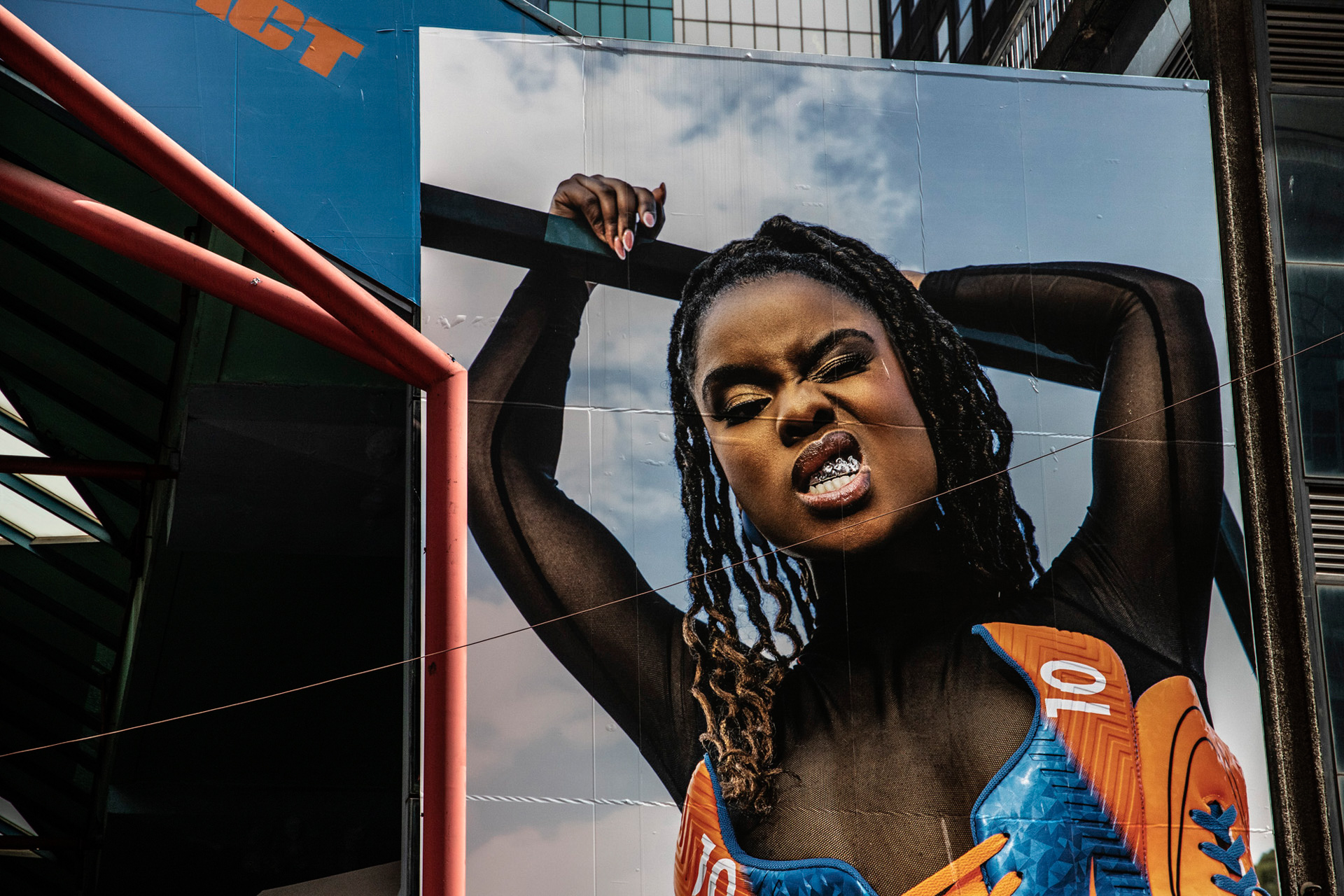
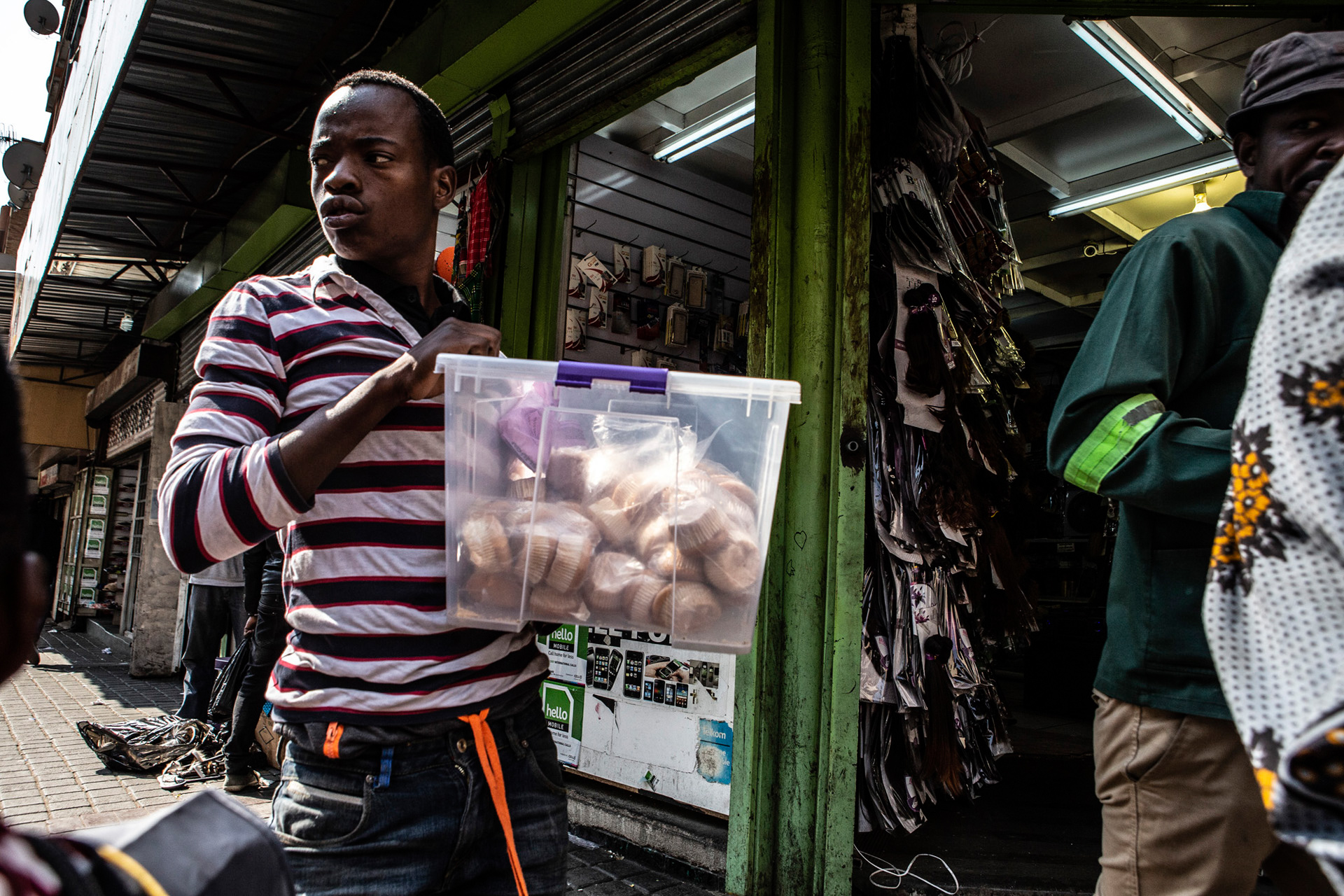
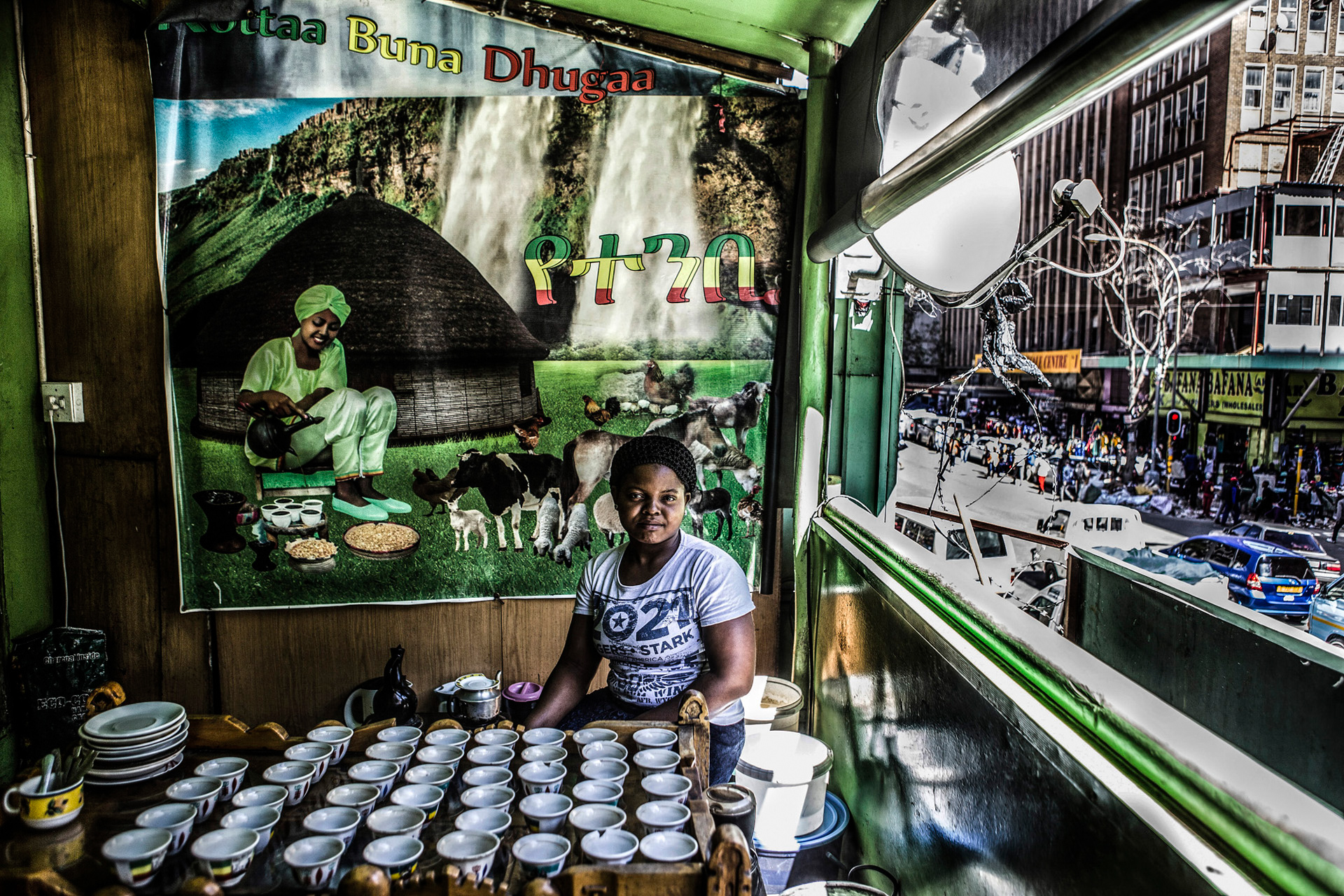
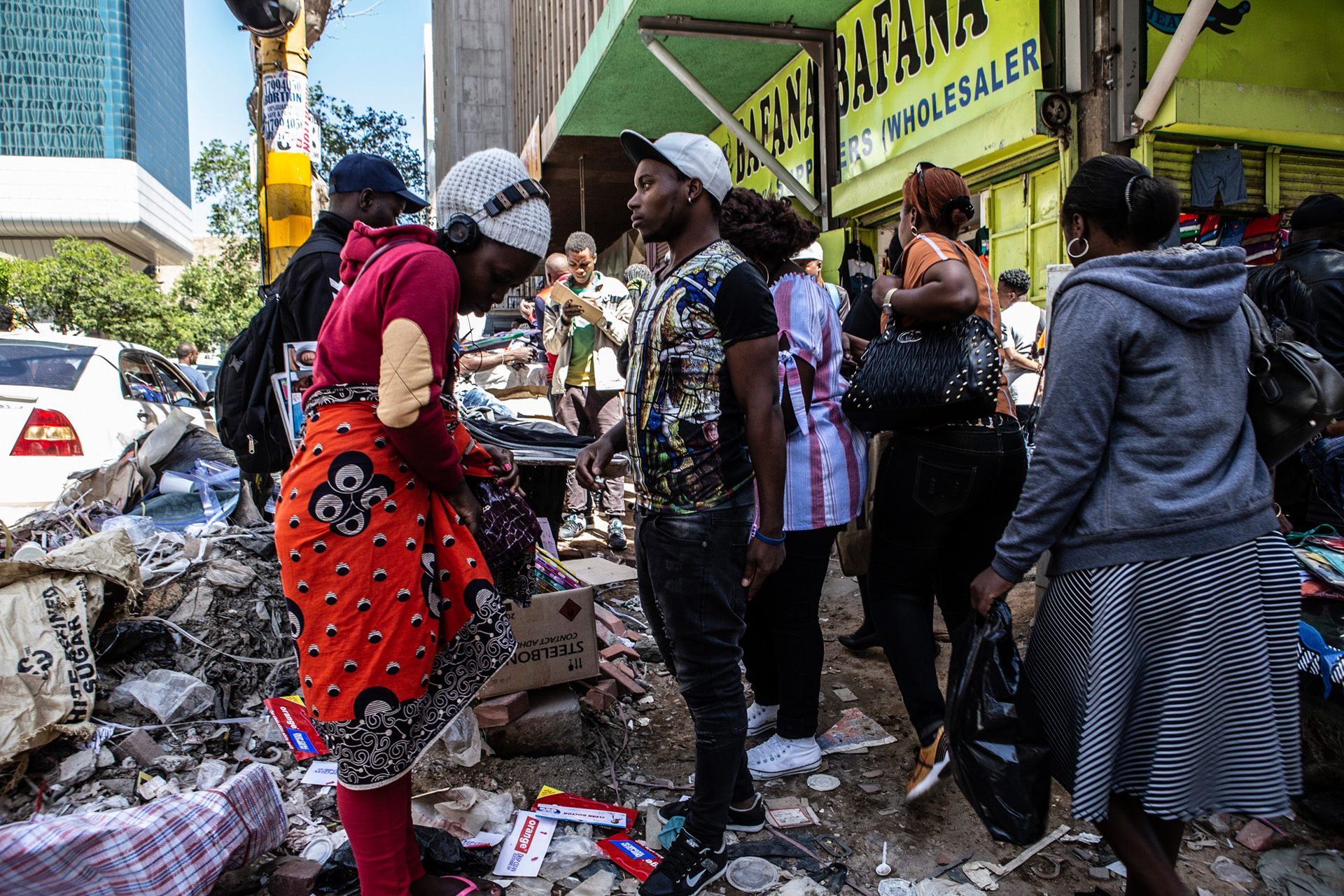
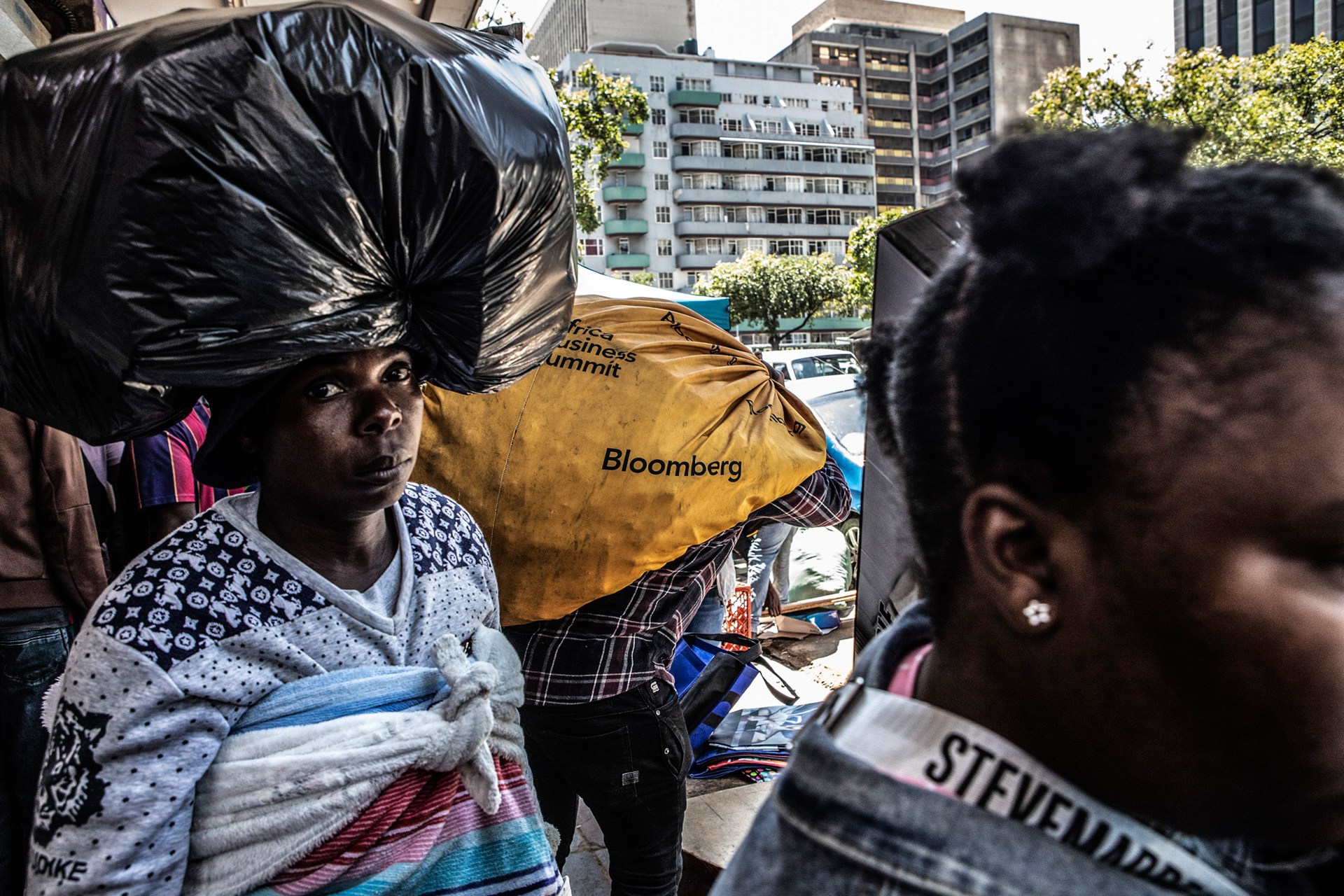
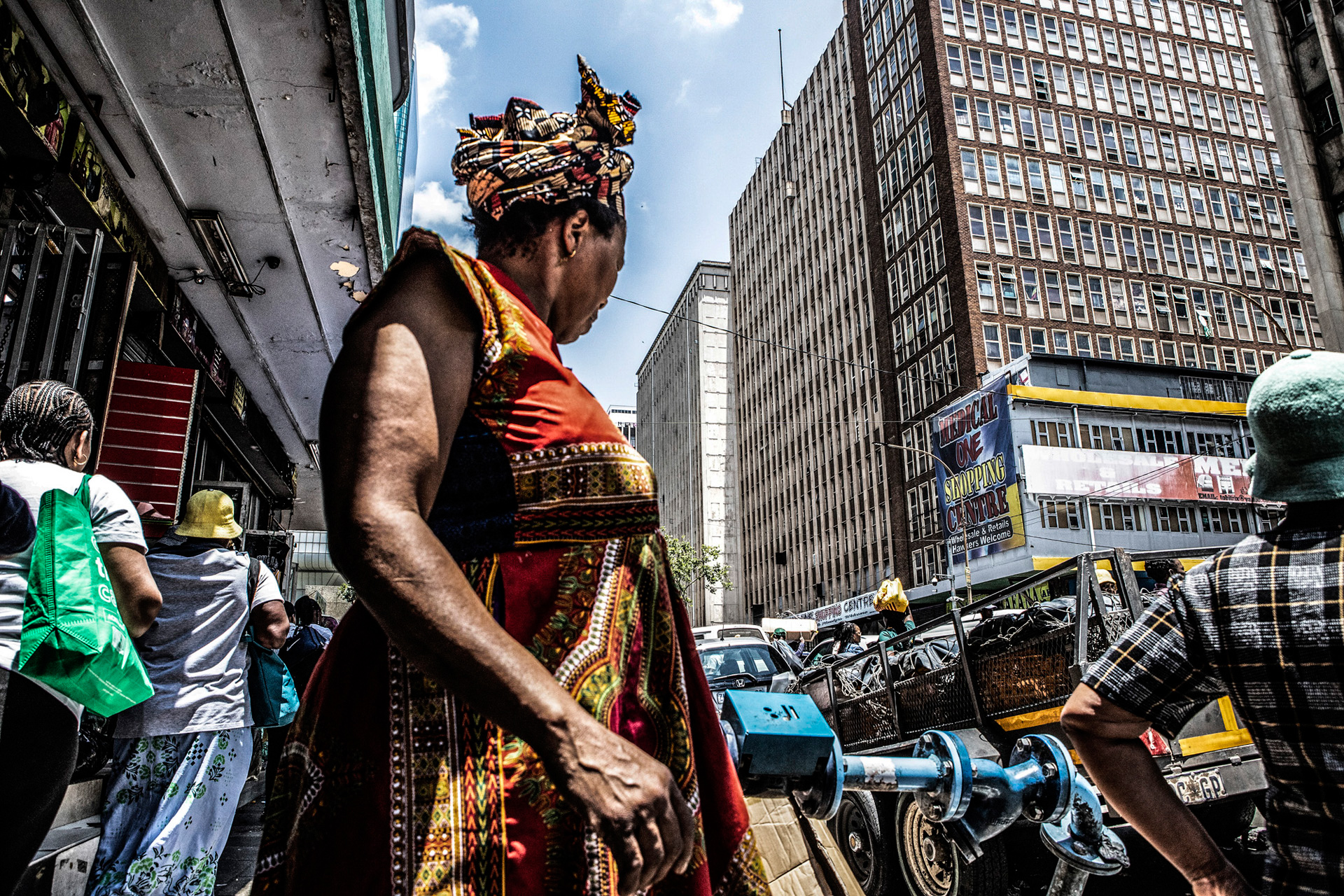
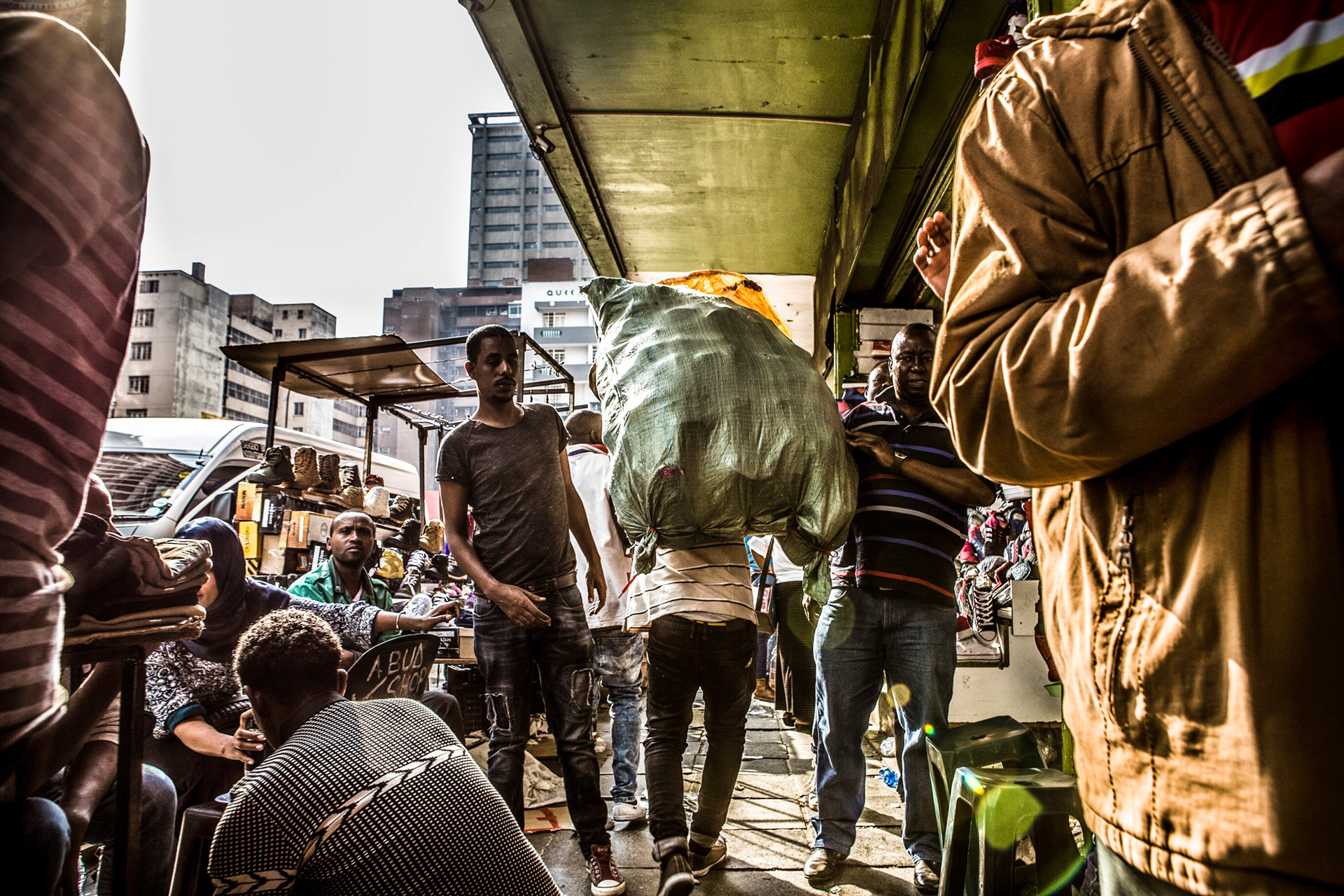
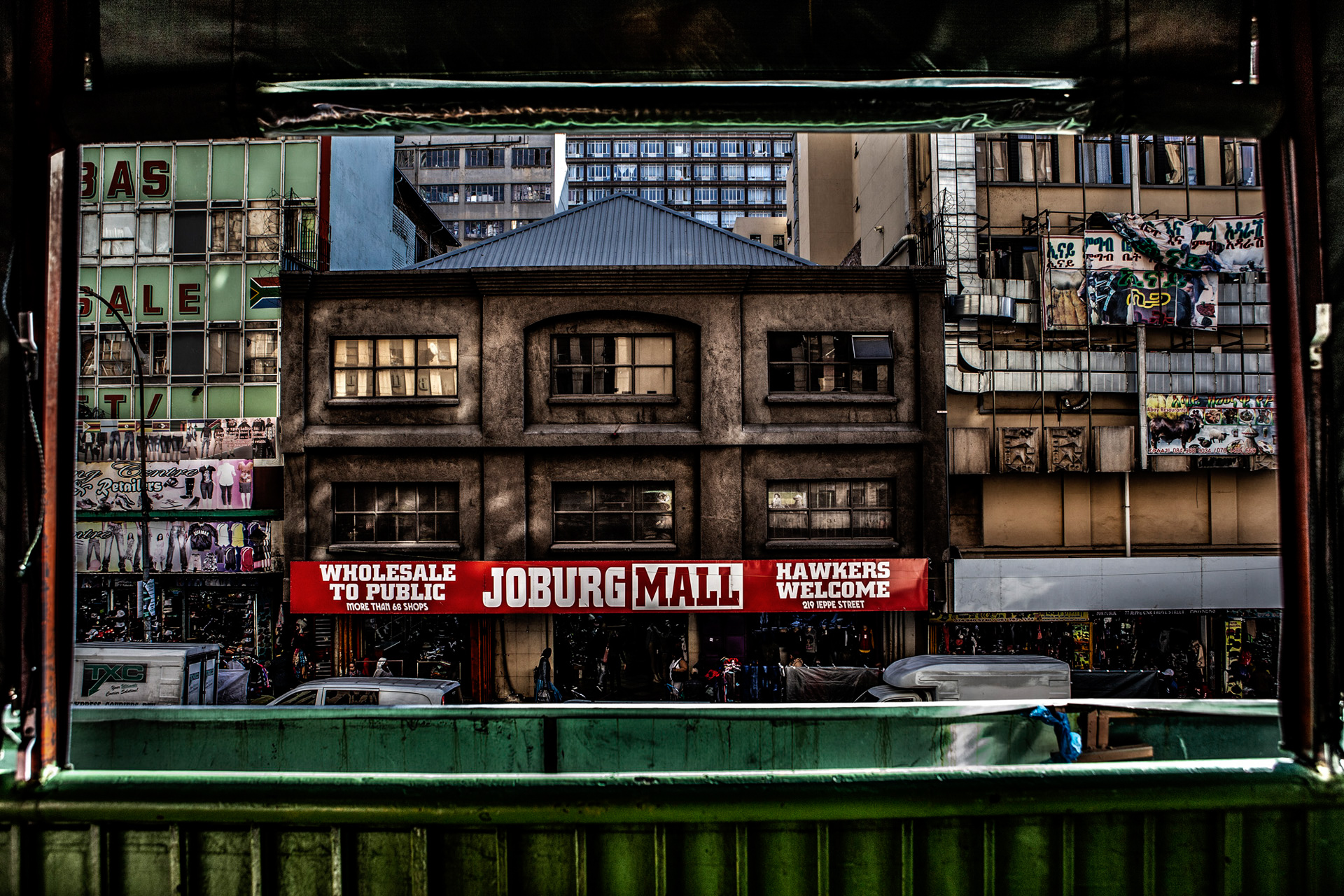
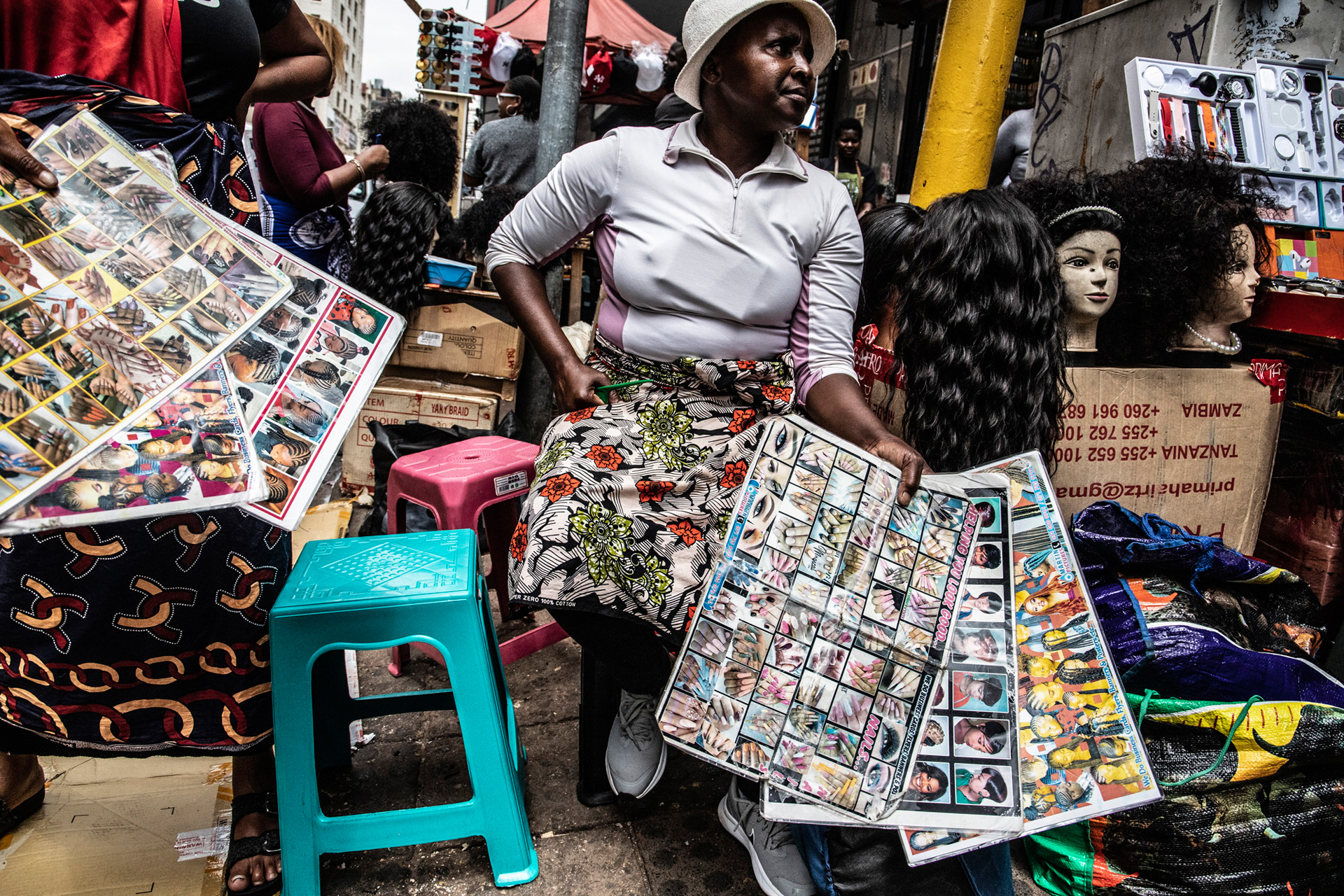
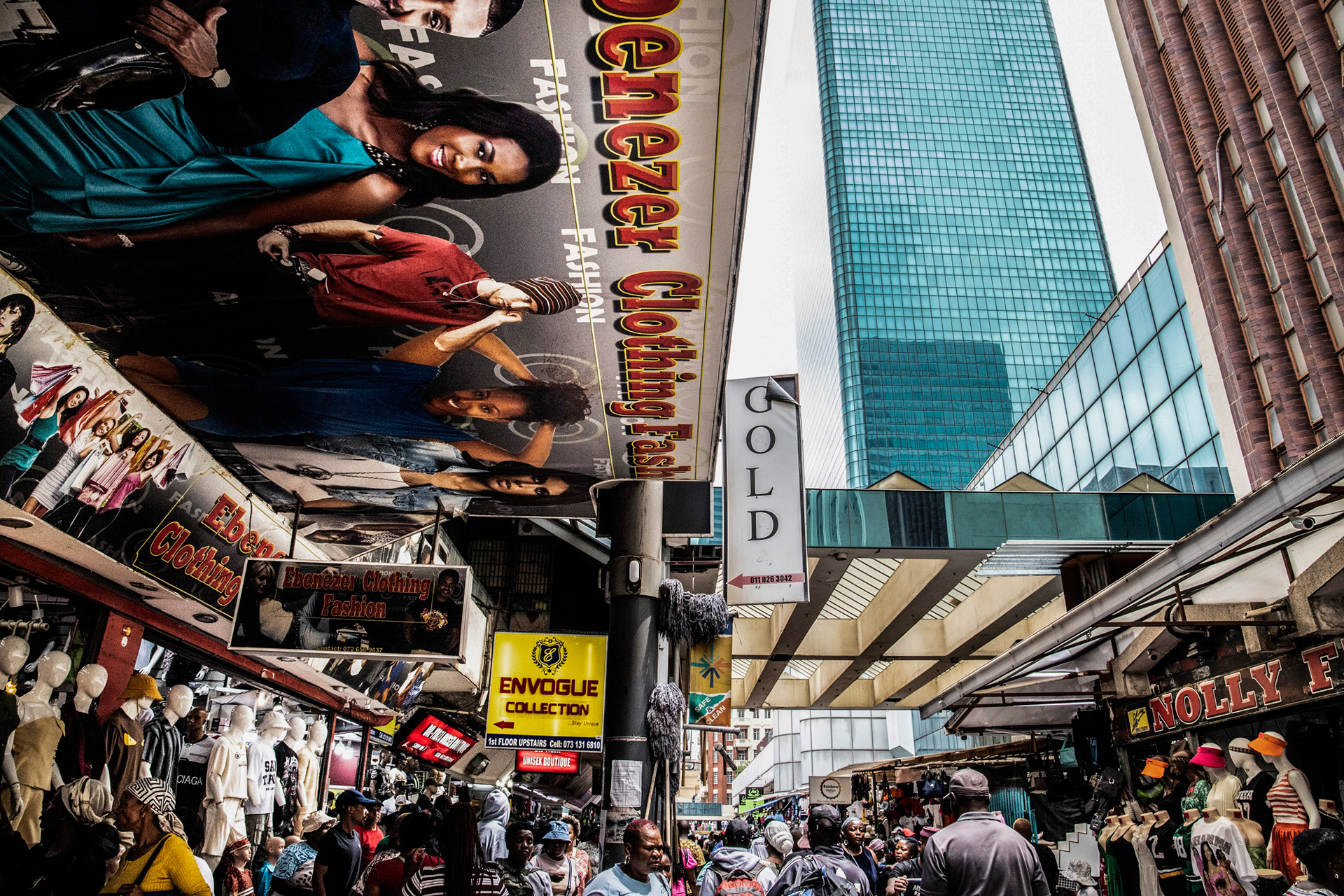
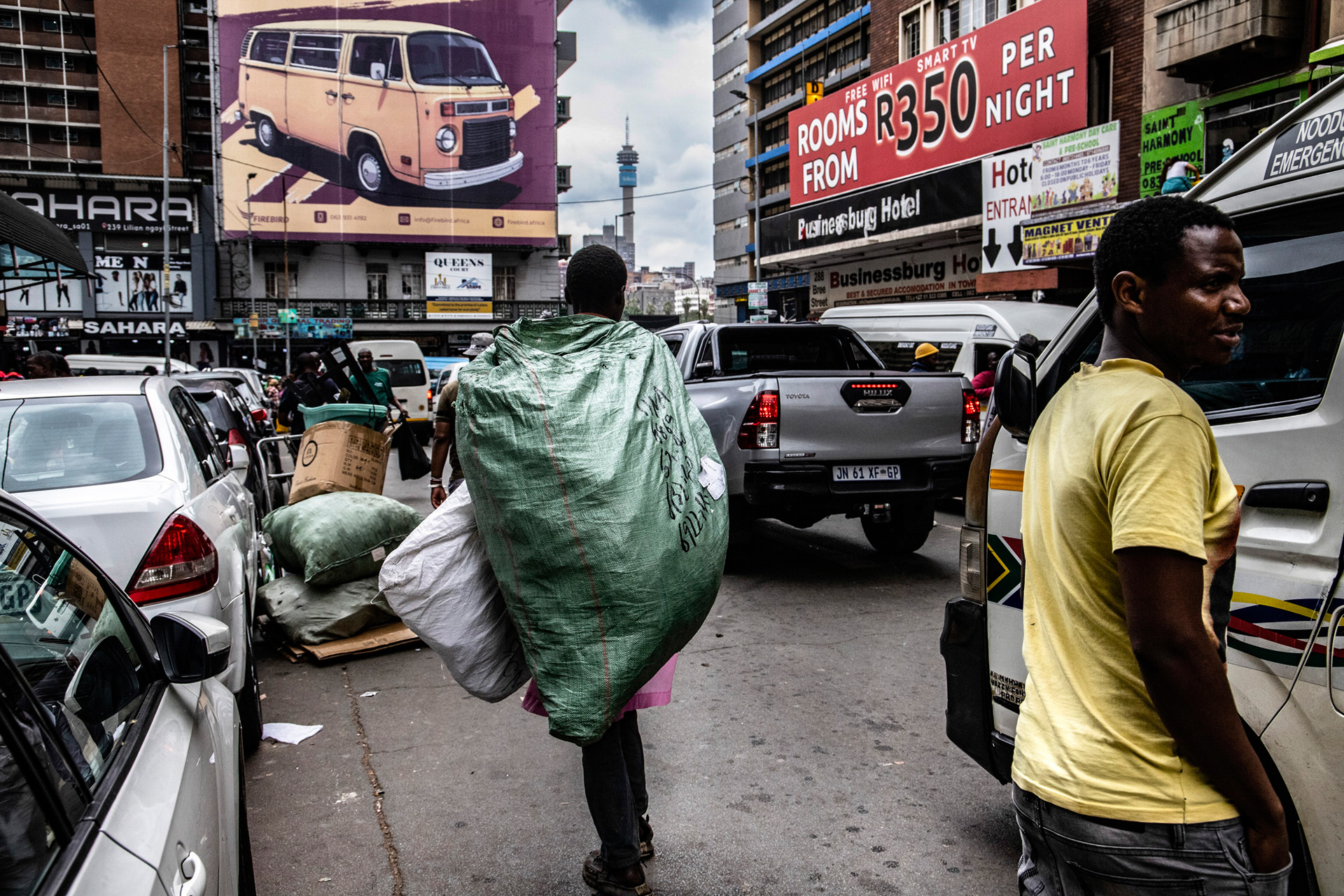
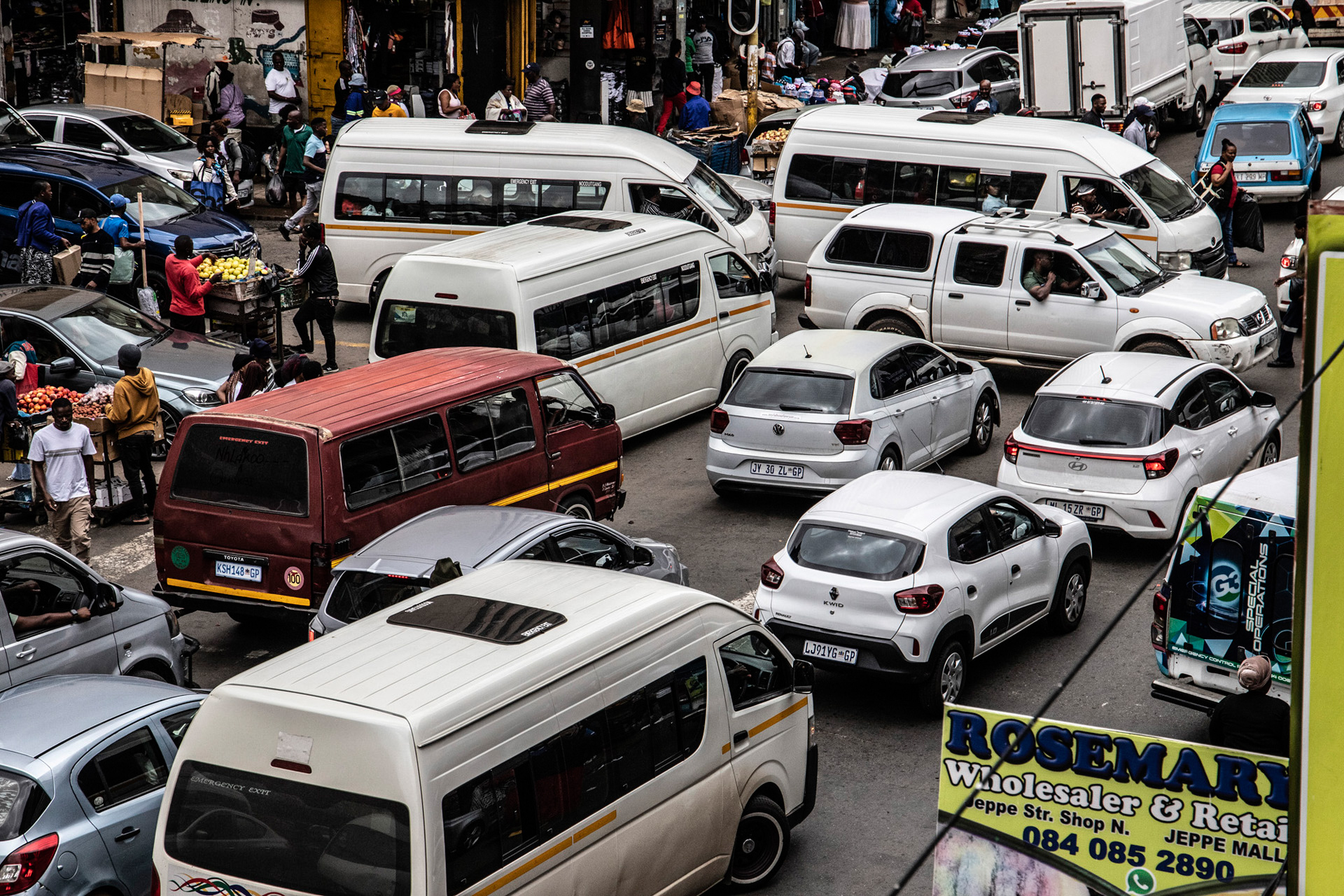
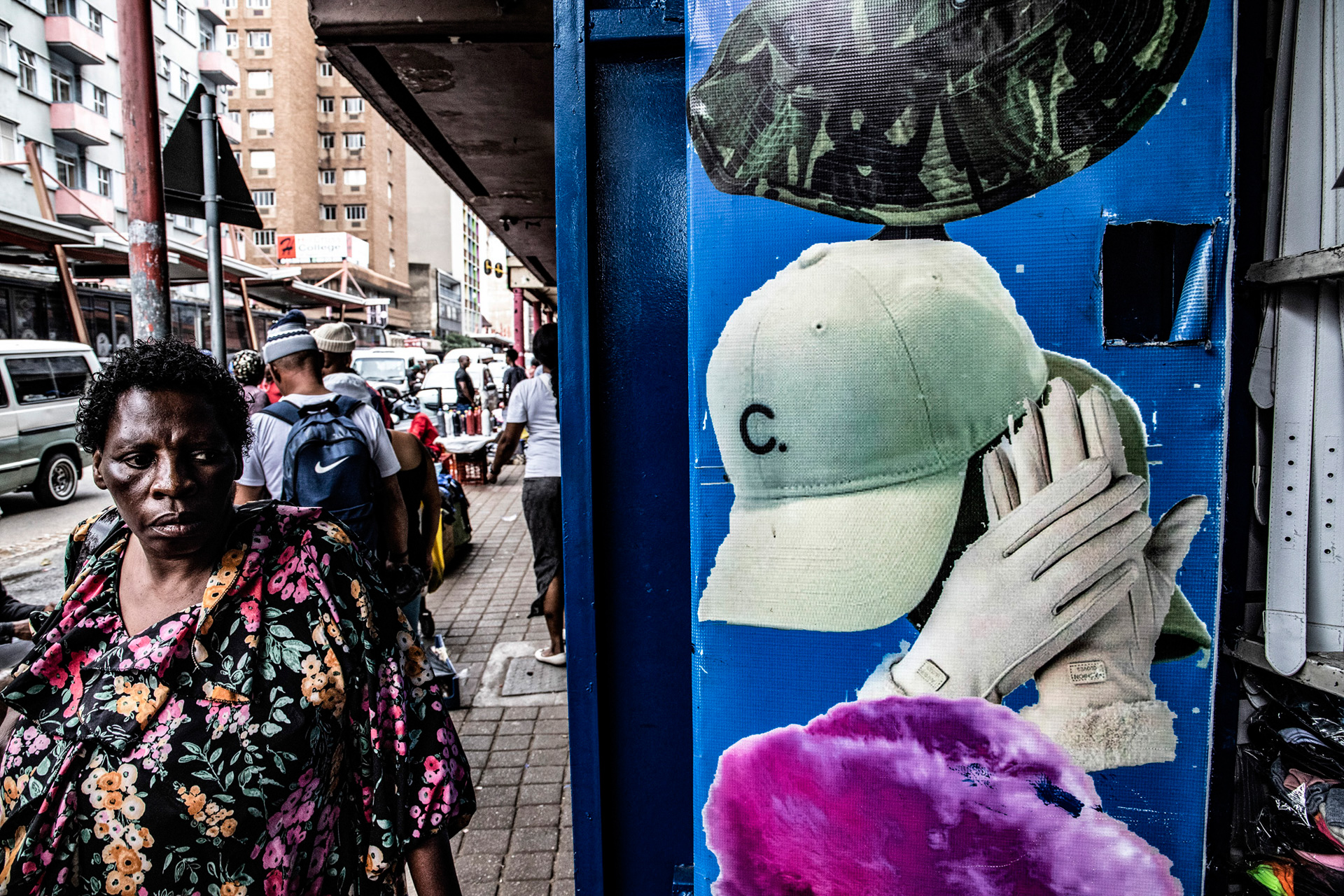
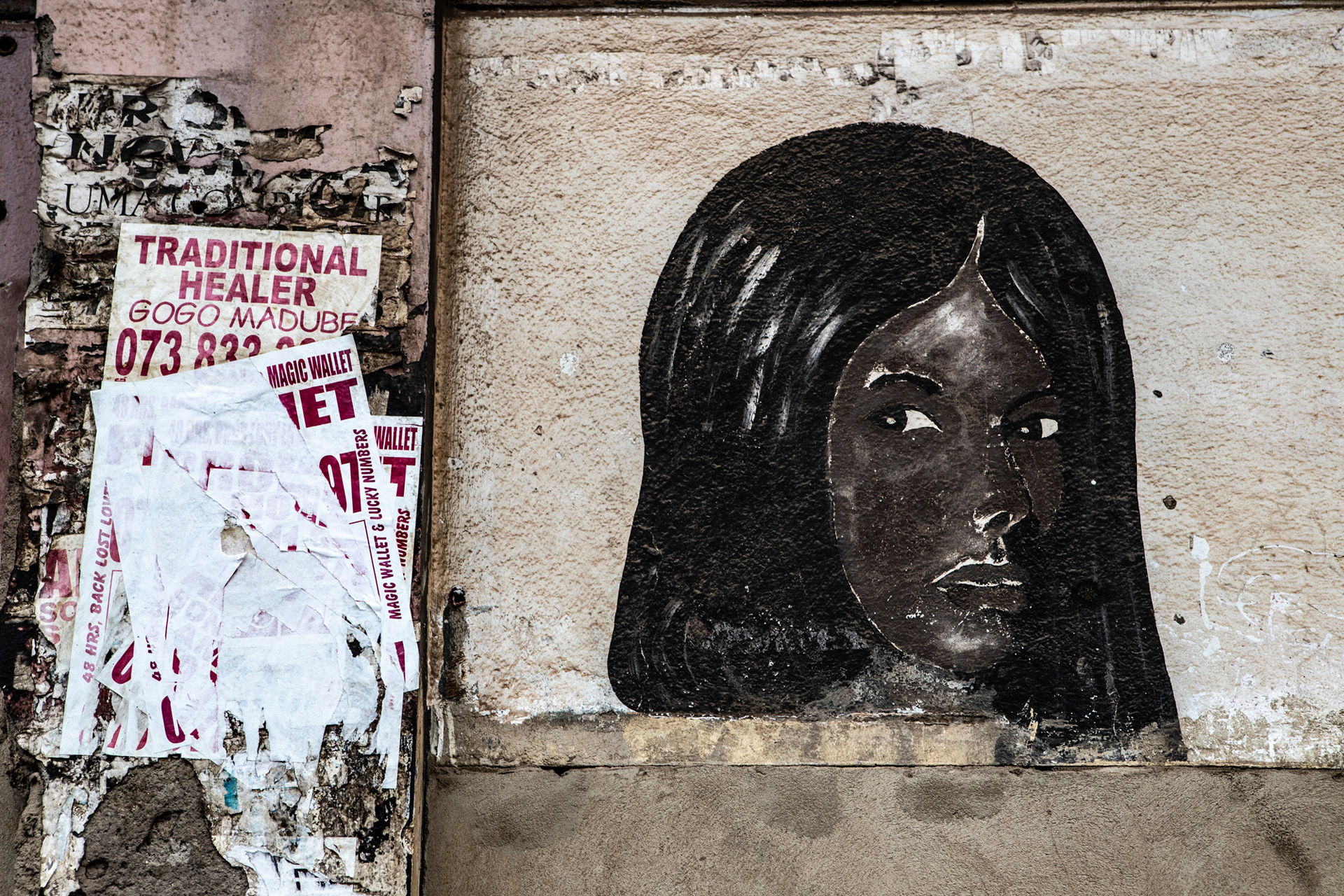
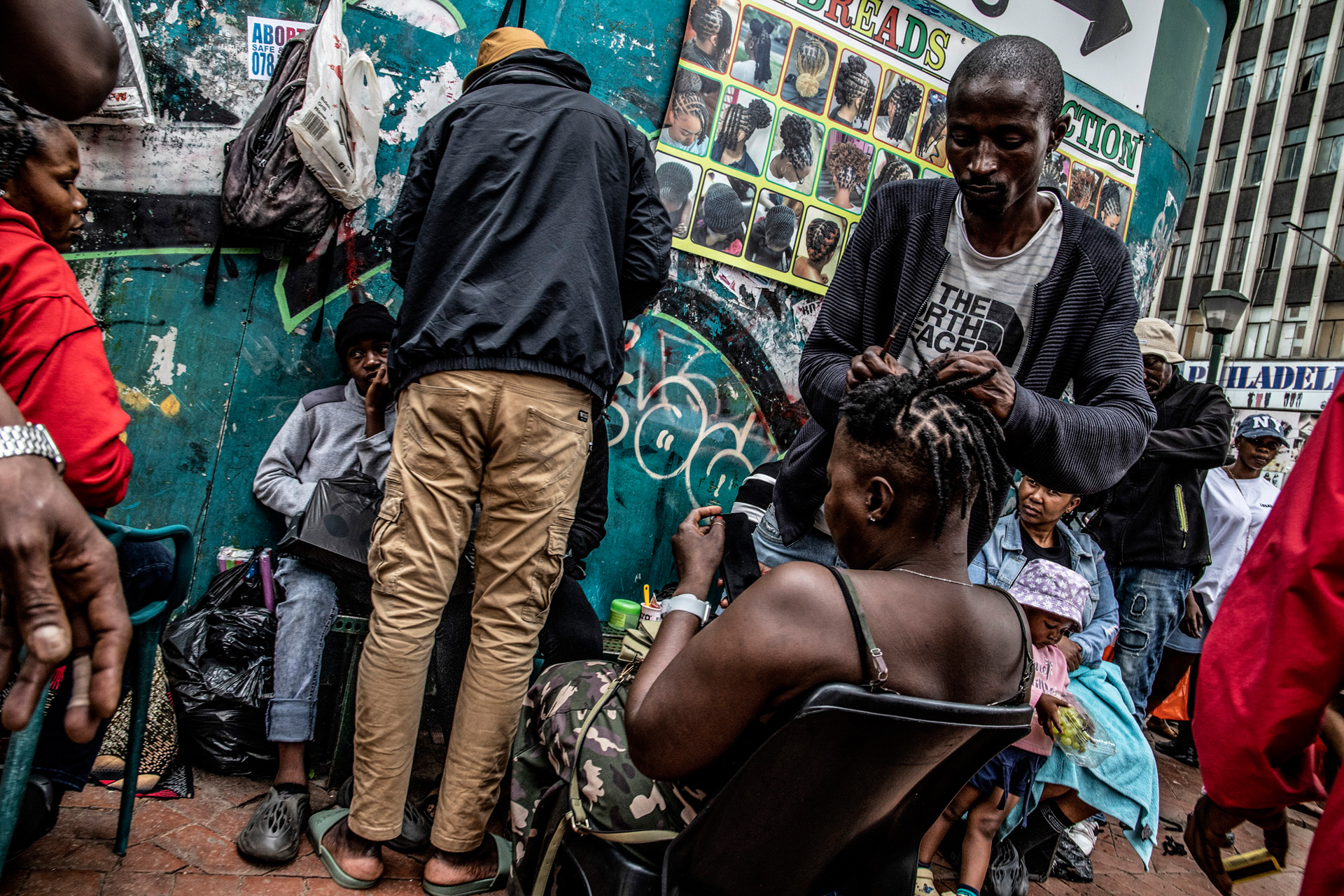
Today, a short drive from my Melville home takes me back to these city streets, where my camera bears witness to a surprising transfiguring of ‘town’. A transnational economy of fast-moving fast fashion pumps through the public space and every building. Now I’m seeing a new charge – of Johannesburg’s remaking as an African metropolis.
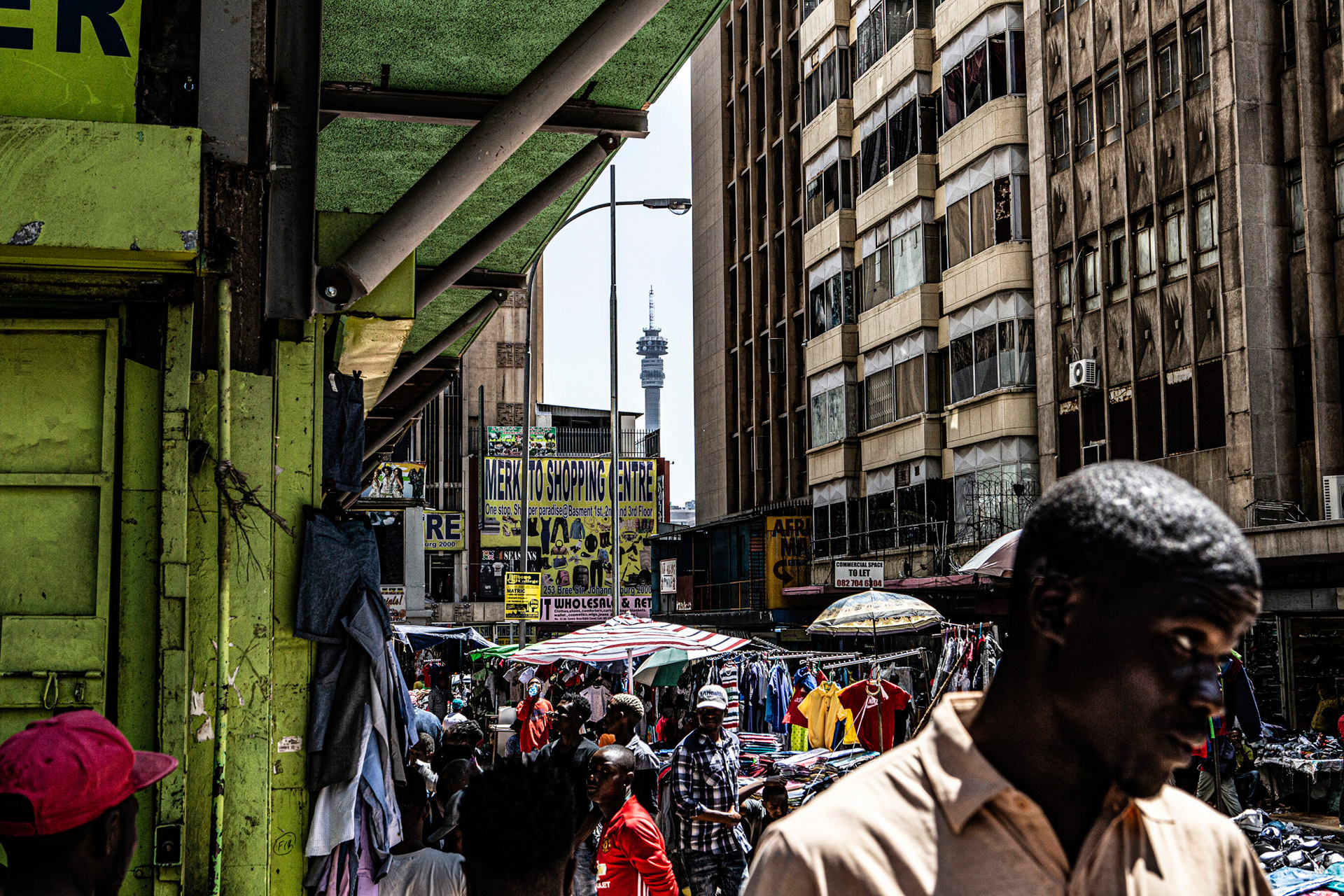
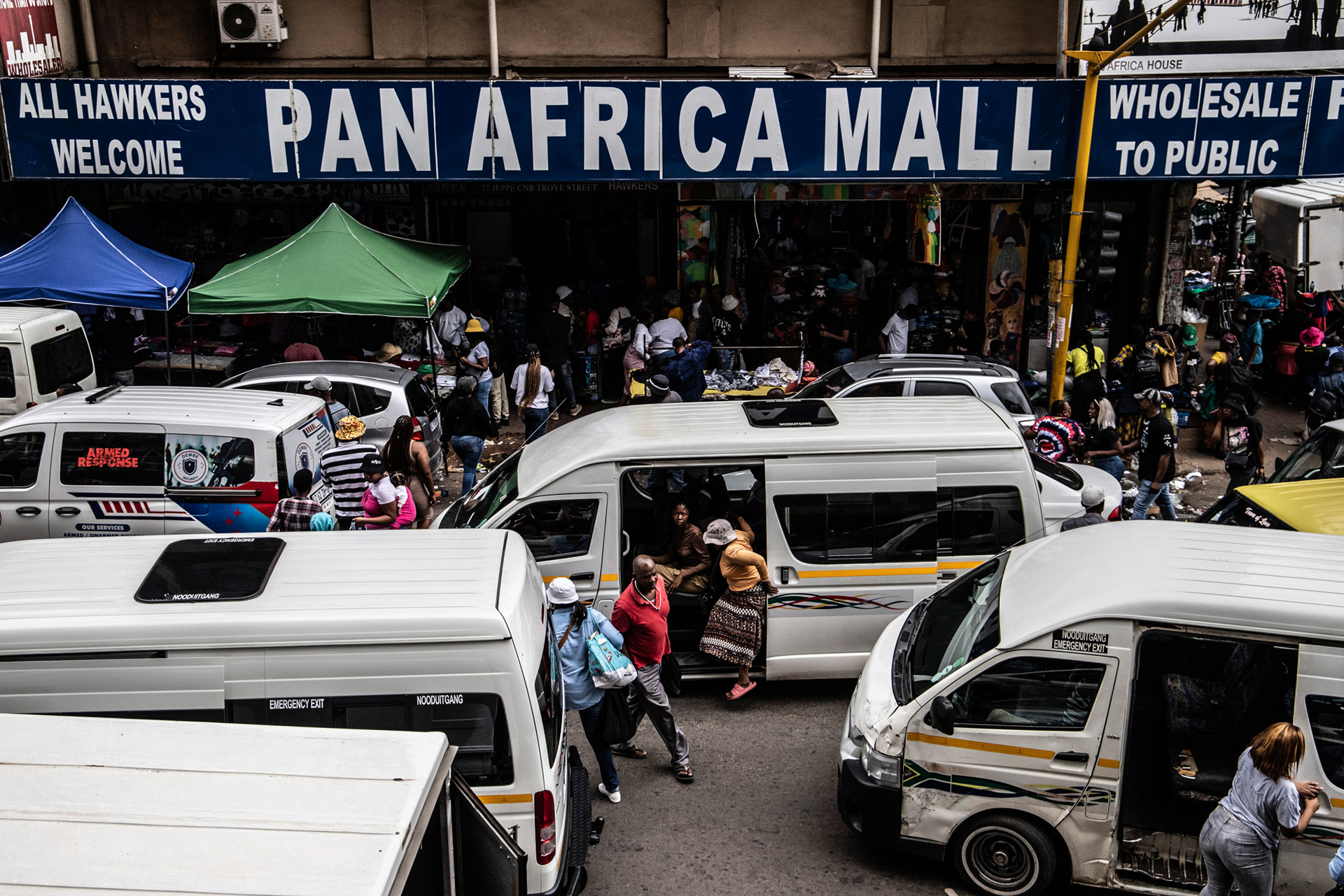
Thousands of shops fill the streets and high-modernist towers of the CBD. They are run by people who have transformed these buildings – originally known as Lancet Hall, Medical Arts, or Medical Chambers – into thriving centres of trade, now with names like Abyssinia, Merkato, Joburg and Pan African Malls. Shoppers from Mozambique, Botswana, Zambia and Malawi scour these stores for cosmetics, clothing, accessories and homeware for clients back home. They navigate the city’s numerous perils – including muggers, corrupt city officials, and unscrupulous police – to conduct their business. In the process, they contribute billions in annual revenue to a city that in turn remains largely hostile to their presence.
These images attempt to give some insight into how the combined efforts of these shoppers and traders contribute to the growth of Joburg, and indeed to the region as a whole.
I wrote this in May 2026. It is now July 2026, only a couple of months, but seemingly a lifetime, later. The country has once again spiralled into a frenzy of violence and xenophobic attacks. Vigilante groups have targeted migrants, attacking homes, businesses and bodies. Police and local authorities have doubled down, closing businesses and removing street traders. It is shocking and distressing to witness this brutal onslaught on an environment that has instead represented immense hope and opportunity for so many, including South Africans. My hope is for a new political will based not on party politics but on the people that have chosen to make Joburg their home, from wherever they have come.
July 2026
Mark Lewis (b 1954 Klerksdorp), is a self-taught urban photographer based in Johannesburg. For the past twelve years he has traversed the dense inner core and the constantly shifting edges of the city of Johannesburg. His images are an interplay between people and space. At root, they are tales of lives carved in the search for economic opportunity, and the stories of the impacts of those lives on the spatial fabric of the city. His work has been widely exhibited and published.
His body of work from the books Wake Up, This is Joburg (produced and published 2013–2018), with writer and urban planner Tanya Zack, formed part of the South African pavilion of the 2015 Venice Biennale, and in 2023, were republished as a collated, single volume by Duke University Press.
Other books include Life Esidimeni: Portraits of Lives Lost (Jacana Media 2024) Visualising China in Southern Africa (eds. Juliette Leeb-du Toit, Ruth Simbao, Ross Anthony, Wits University Press, 2023); Bekezela: Reclaimers of Johannesburg (French Institute, South Africa, 2022); The Colour of Wine: Tasting Change (ed. Harriet Perlman, Kalipha Foundation, 2018), and Vaya: Untold Stories of Johannesburg (ed. Harriet Perlman, Bookstorm, 2017).