




.jpg)




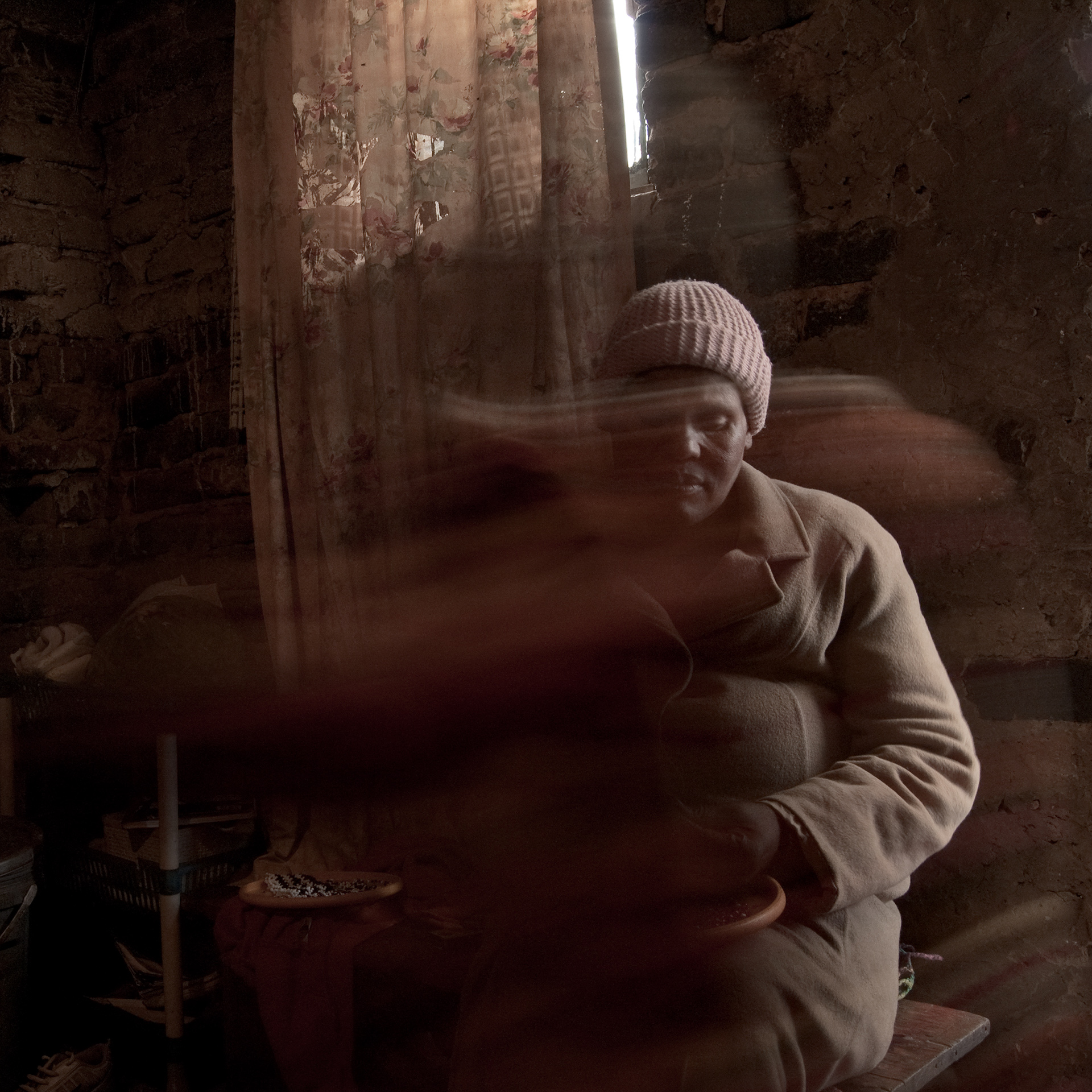
Poloko: in Soweto
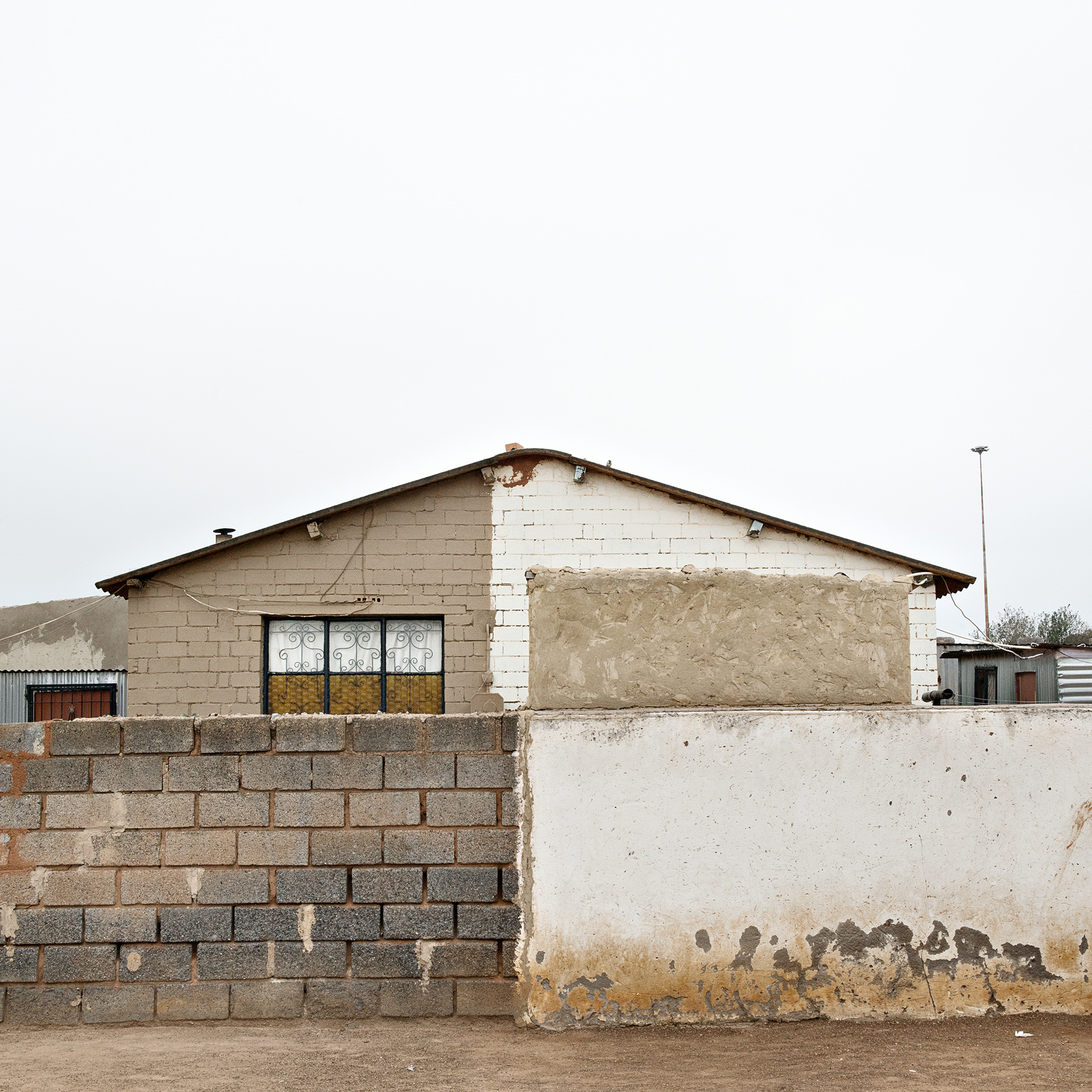
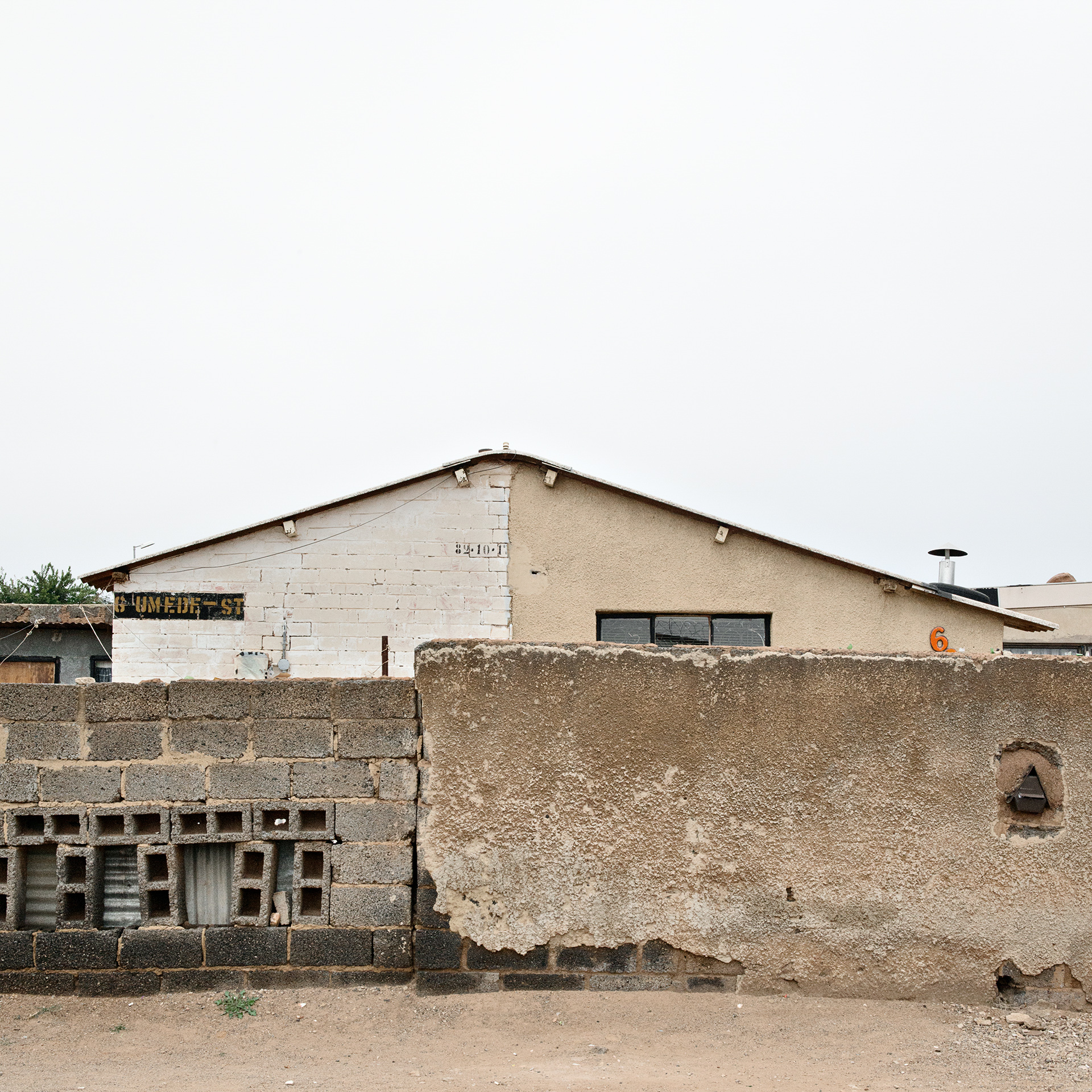
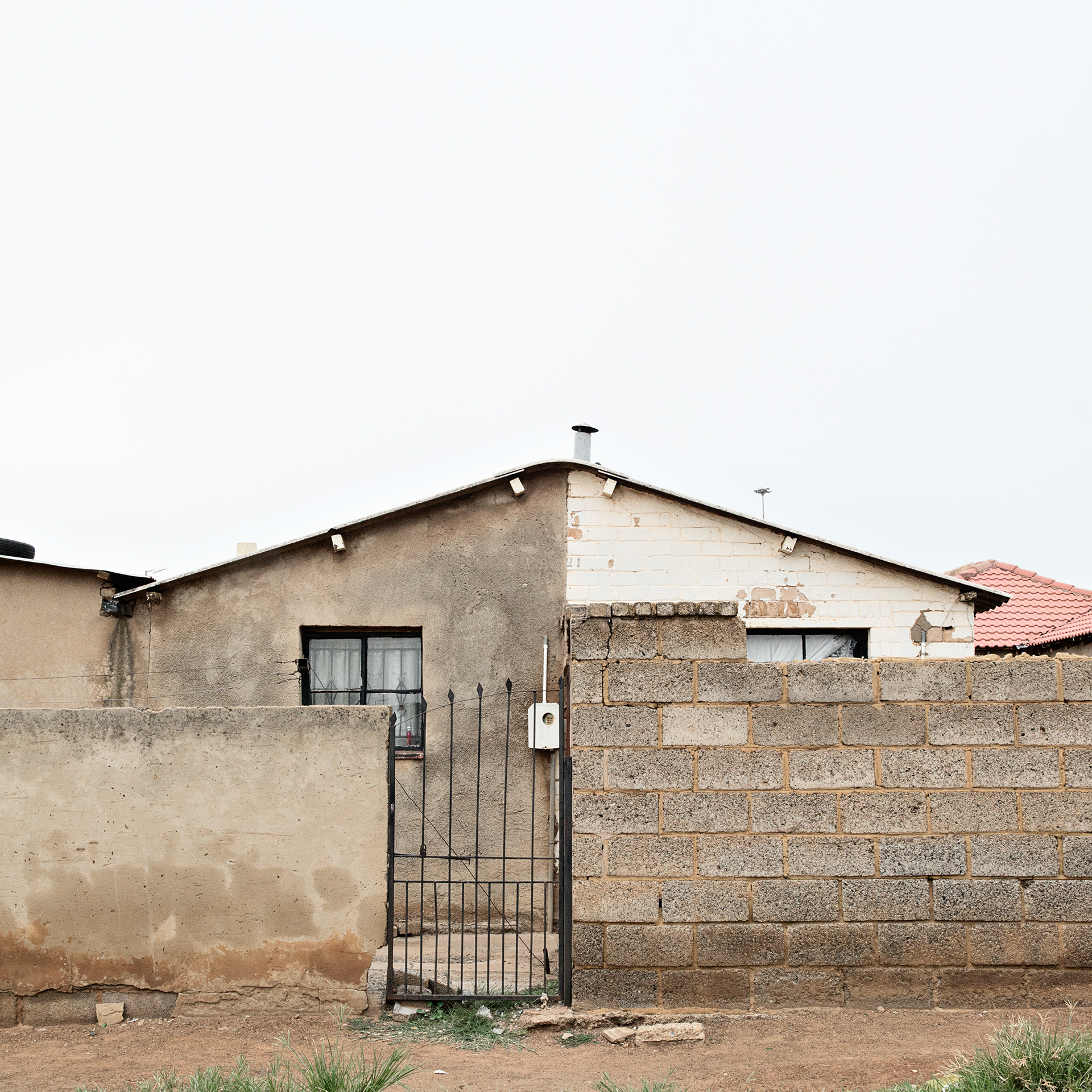
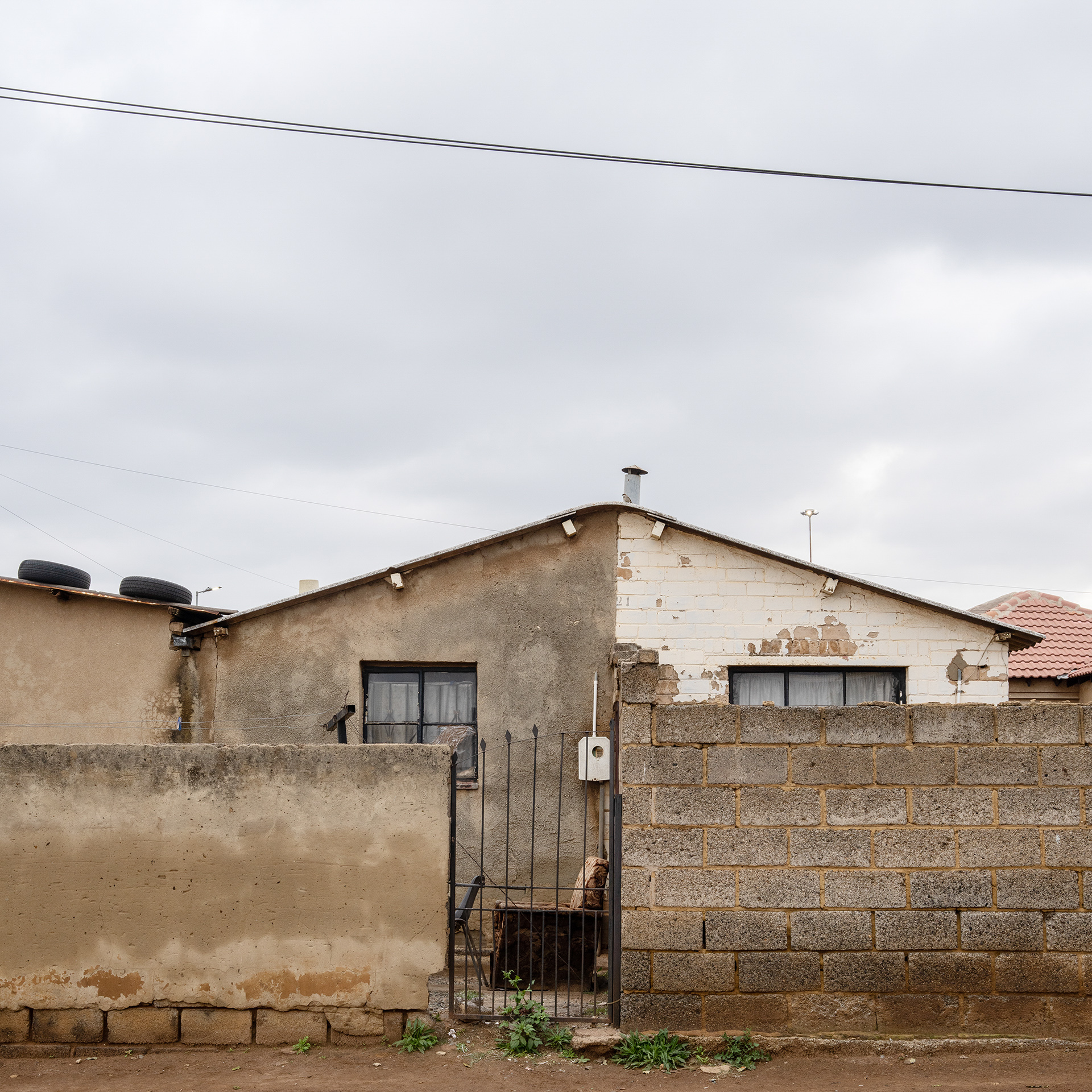
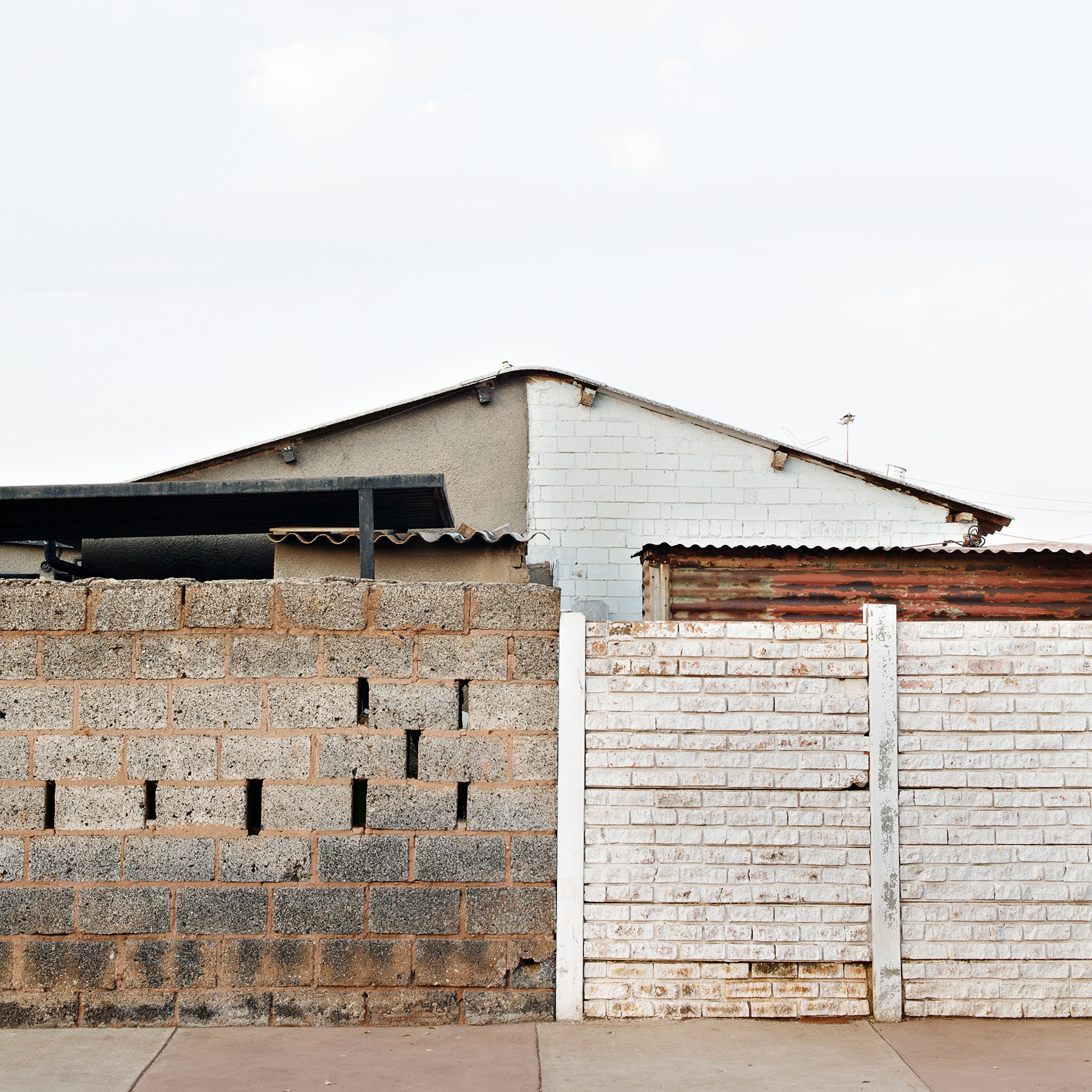
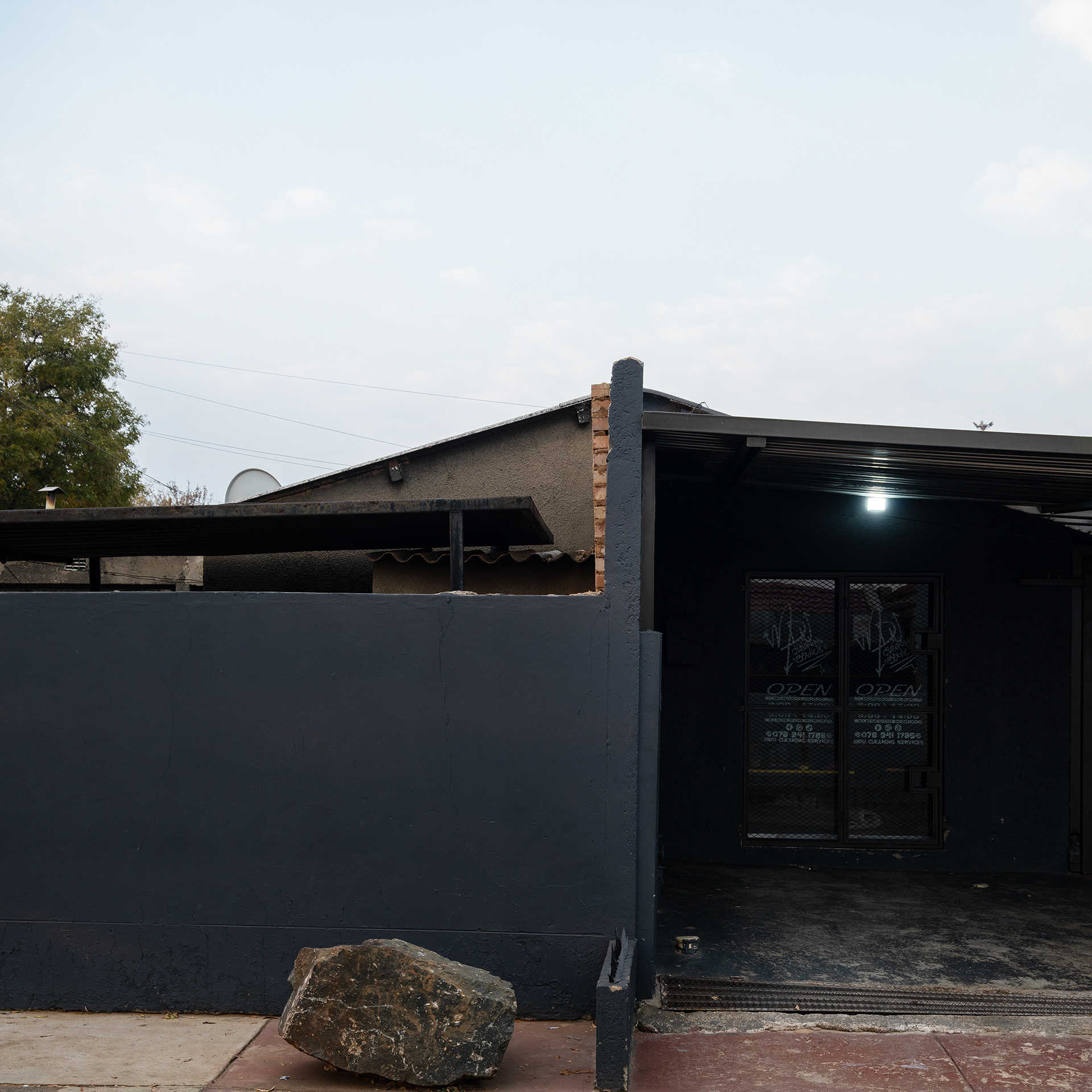
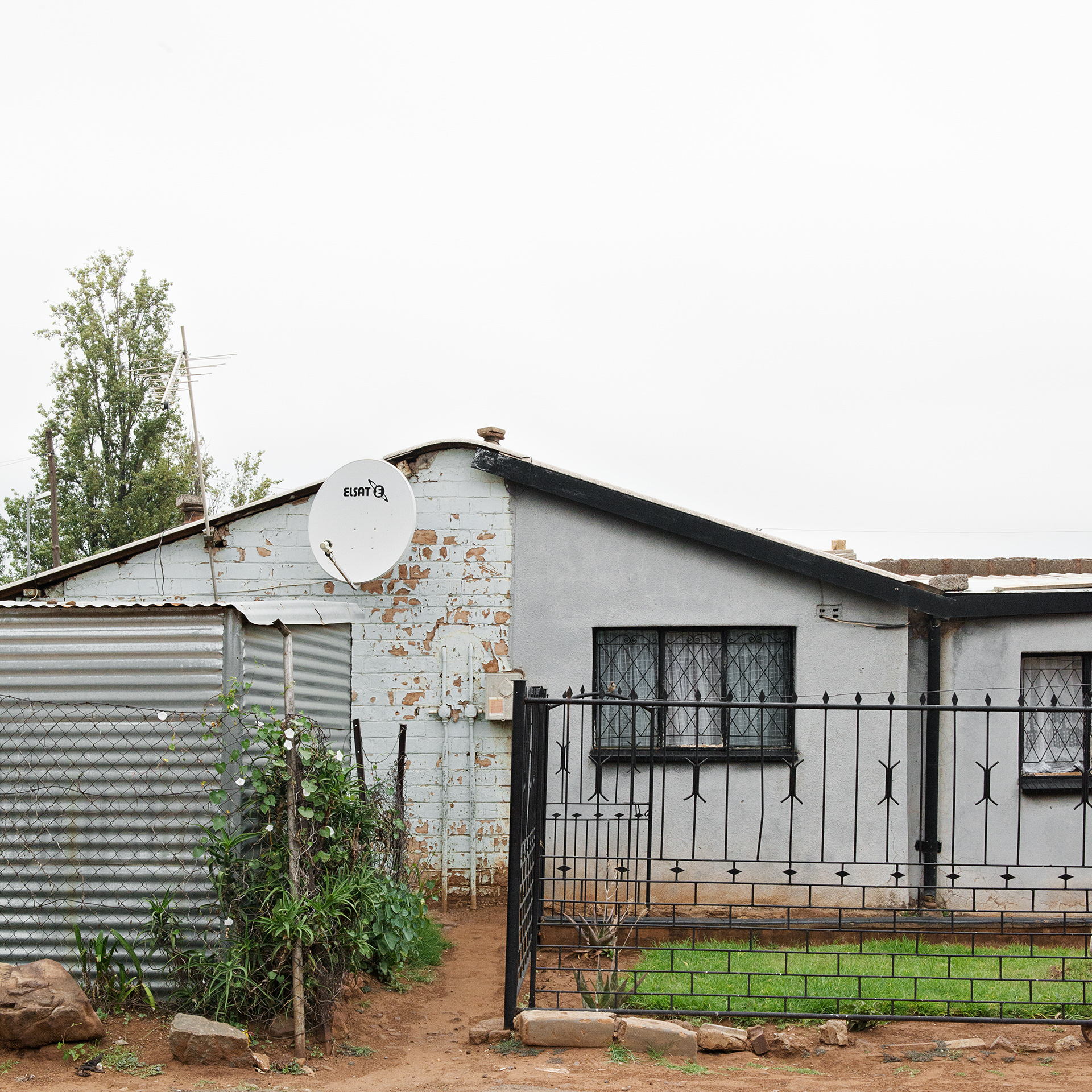
Poloko in Soweto explores hidden histories embedded in the township’s landscape. Poloko, a Southern Sotho word, means both burying and archiving — a duality at the heart of this photographic project.
Moving to Soweto in 1990, aged seven, I was struck by how uniform the houses looked. The mud houses of the Free State and KwaZulu-Natal, where I grew up all carried unique litema (motifs). Every home was different, each carrying a distinct family history archived through its architecture.
I started photographing houses in Soweto in 2012 and returned to them intermittently. I read Soweto’s repetitive grid, uniform houses and scarce amenities as monuments to a system meant to control and negate Black people. Over time, residents have transformed their houses with colour, murals, and extensions — spaza shops, salons, back rooms — asserting beauty and personal presence against structures designed to dehumanise them.
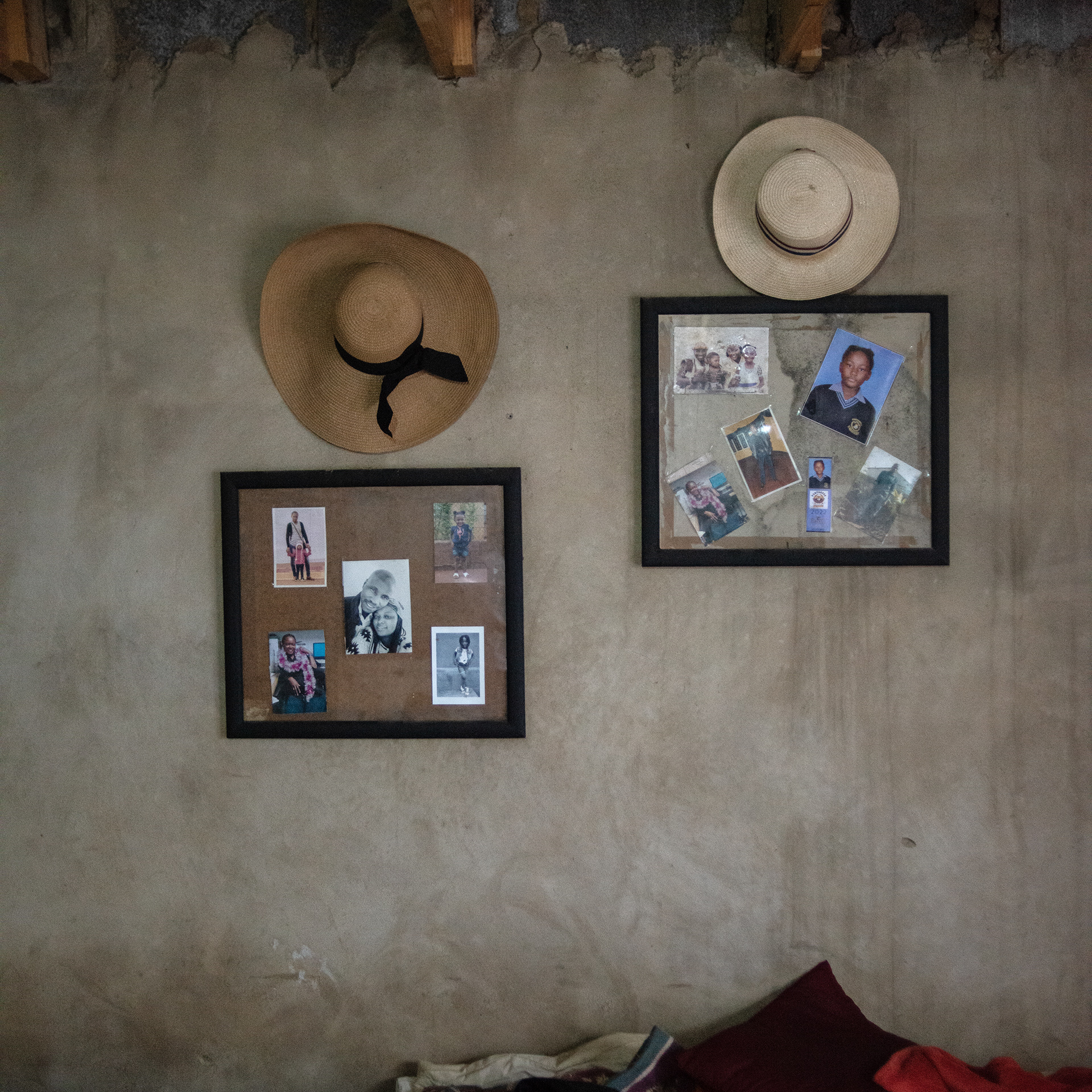
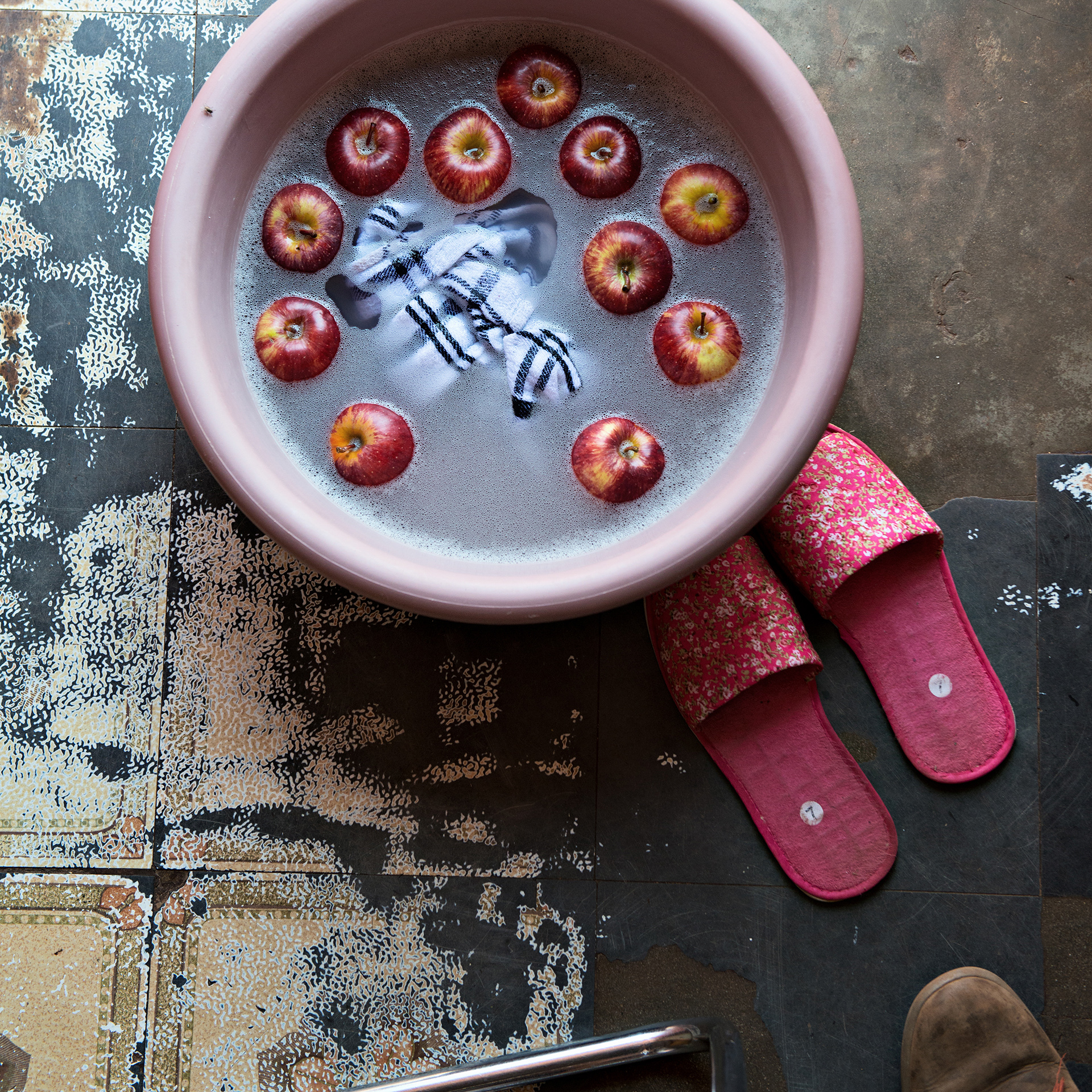
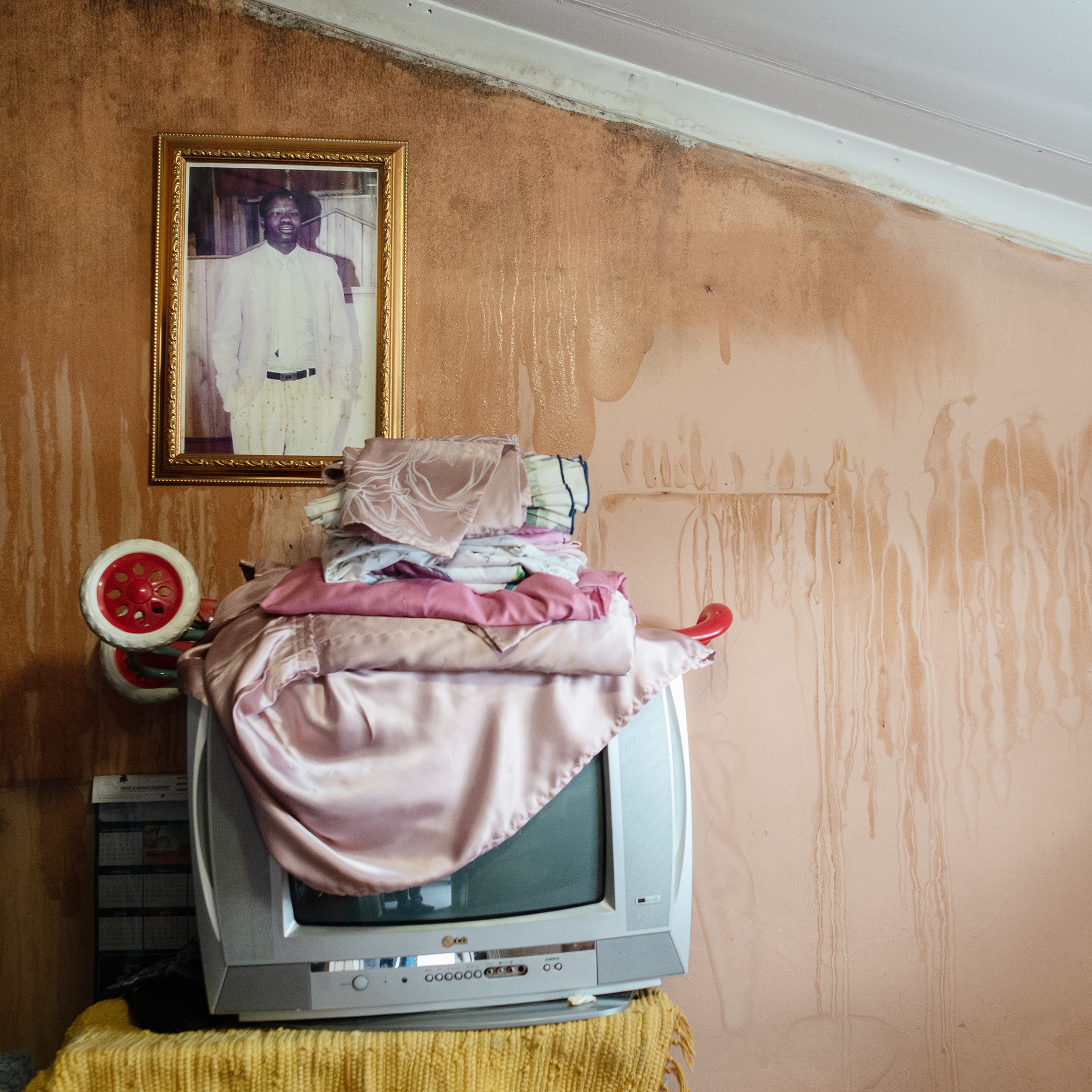
I am also drawn to how people curate their own spaces, and the conversations they intitiate with the way they arrange their physical lives. Our homes to me are museums that tell our family stories.
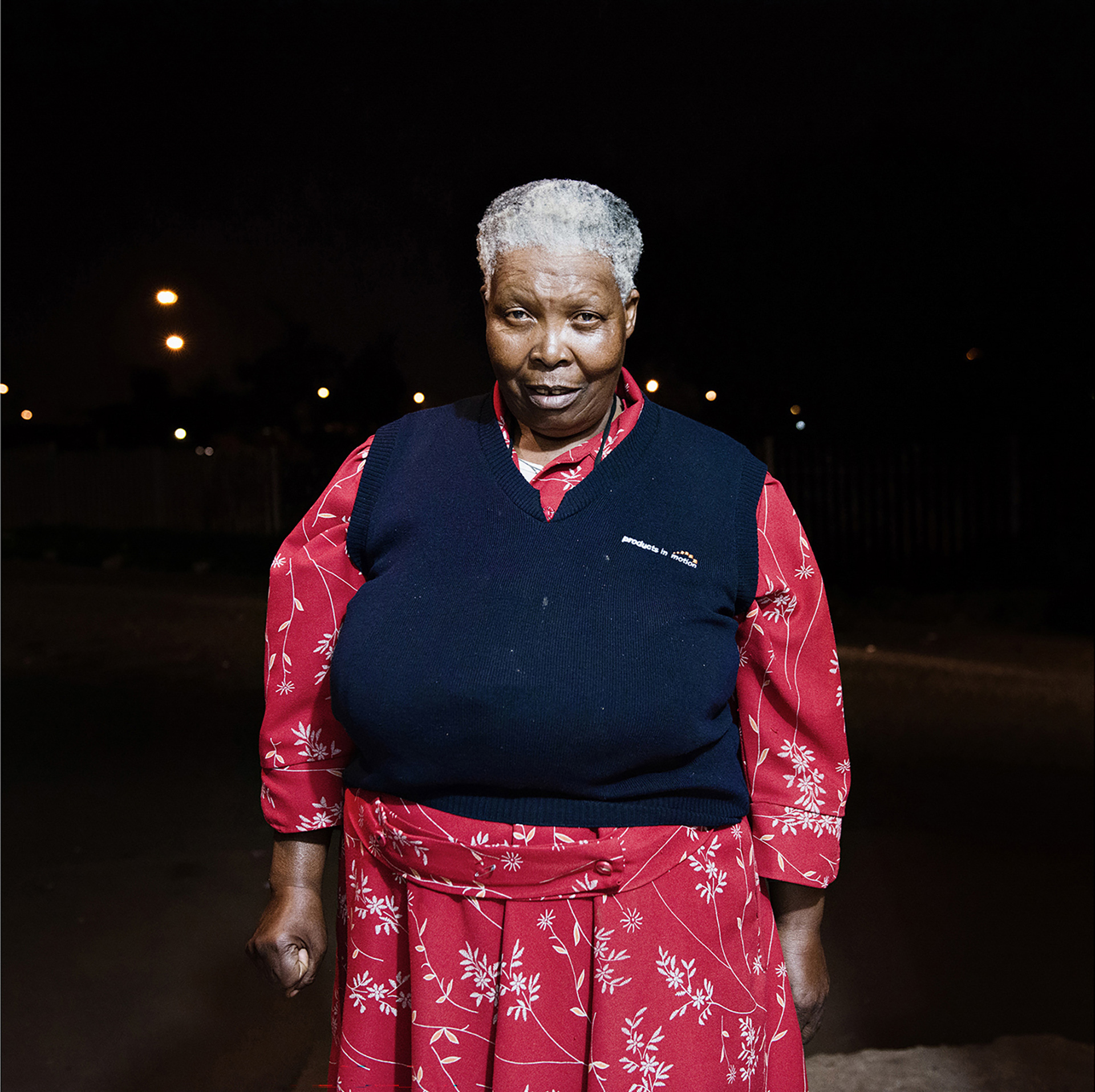
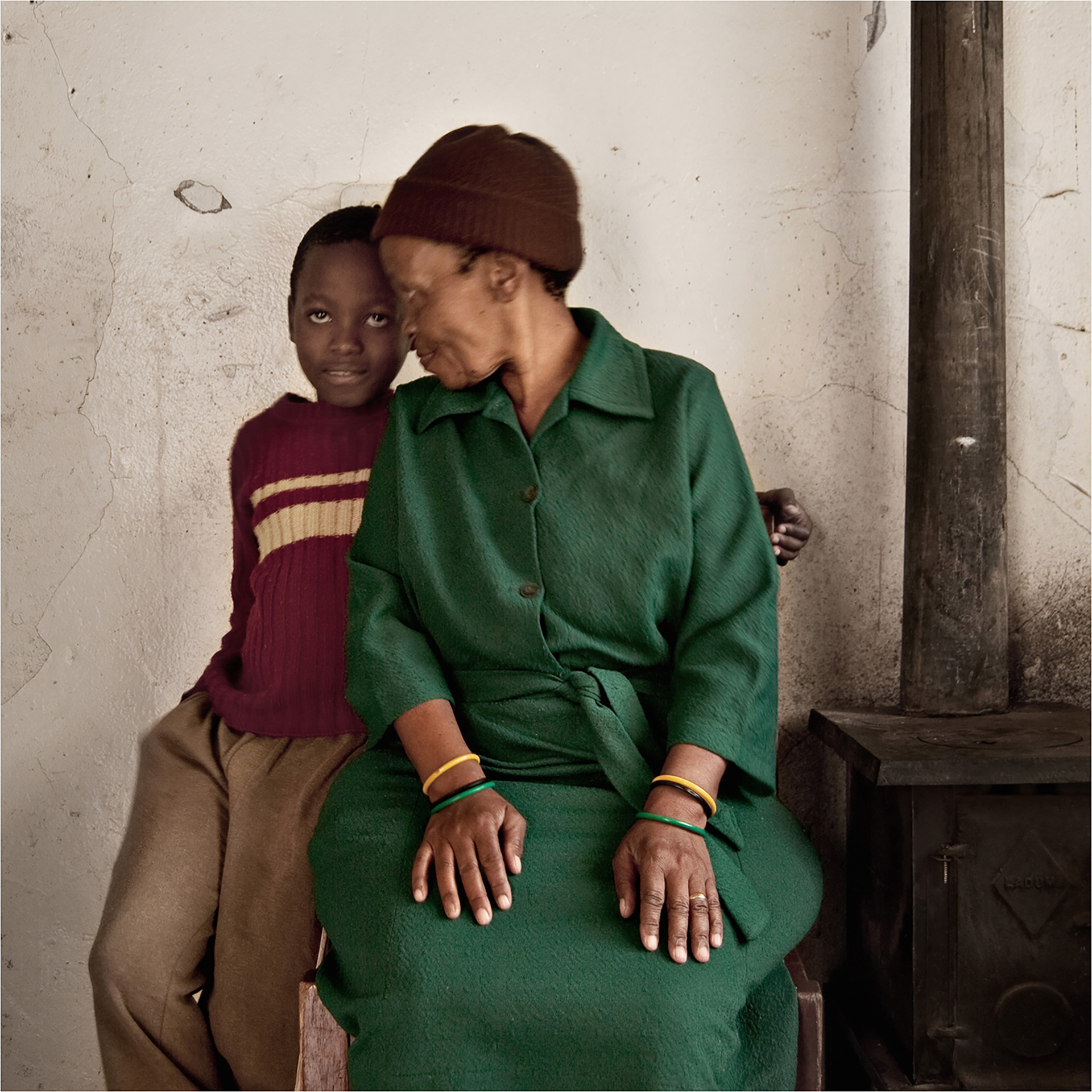
The portraits exhibited here continue work I began in Sharpeville in 2012, photographing families of massacre victims and the objects they keep to remember them I have been record the testimoniesof the people I photograph to hear about their experiences of the 1976 uprising, which are often left out of the dominant narrative around Hector Pieterson. This year it is 50 years since June 16th.
I bring my own family’s history into this conversation — particularly my father’s stories of working in the Johannesburg mines. He once crawled through the veld to hide from the apartheid police with his invalid dompas.
These stories are why I became a photographer: to see what he described. Archives let us learn from the past; without them, my generation carries anger with no clear shape.
This project traces how memory and trauma live in place — not as ghosts, but in daily acts of adaptation, resistance, and persistence: in people’s eyes, in spaza shops filling empty corners, in weeds pushing through concrete. It is not a document of loss, but testament to what survives.
Jabulani Dhlamini (b.1983, the Free State, South Africa) lives and works in Johannesburg. Dhlamini majored in documentary photography at the Vaal University of Technology, graduating in 2010. From 2011-2012, Dhlamini was a fellow of the Edward Ruiz Mentorship and completed a year-long residency at the Market Photo Workshop, founded by David Goldblatt, in Johannesburg.
Dhlamini is currently a project manager for Of Soul and Joy a social and artistic initiative based in Thokoza, a township in the South East of Johannesburg in South Africa in the East Rand. Its goal is to develop artistic skills in the field of photography amongst the township’s vulnerable youth by providing an understanding of photography as a means of expression, in order to open up new personal and professional horizons.
In 2018 David Goldblatt selected Dhlamini to feature his work on Five Photographers, A Tribute to David Goldblatt, a group exhibition at the Gerard Sekoto Gallery at the French Institute in Johannesburg.
Dhlamini’s work challenges the traditional of photographing people as subject and rather he chooses to collaborate with them by exploring binaries of observation and participation. His recent work aims to explore how memory is created and archived within a community where the memory has been localized. He Integrates ethnographic and autobiographic approaches to image-making, making his work figurative and abstract which results in images that are both decisive and critical, resisting easy interpretation or categorization.