




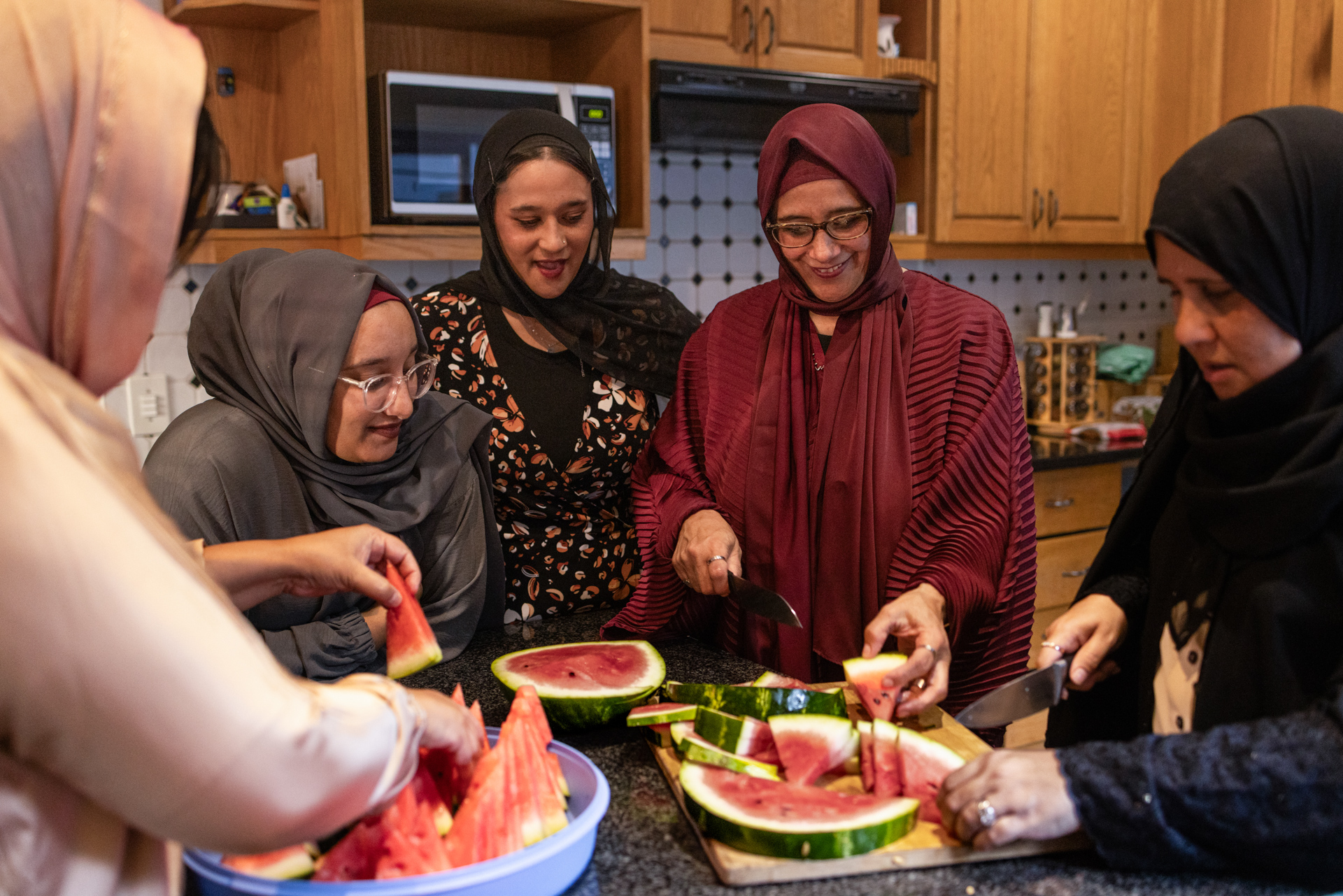
The Joburg Jama’ah – Cape Creole in the City of Gold
What do we carry with us when we are made to move, not once, but across generations?
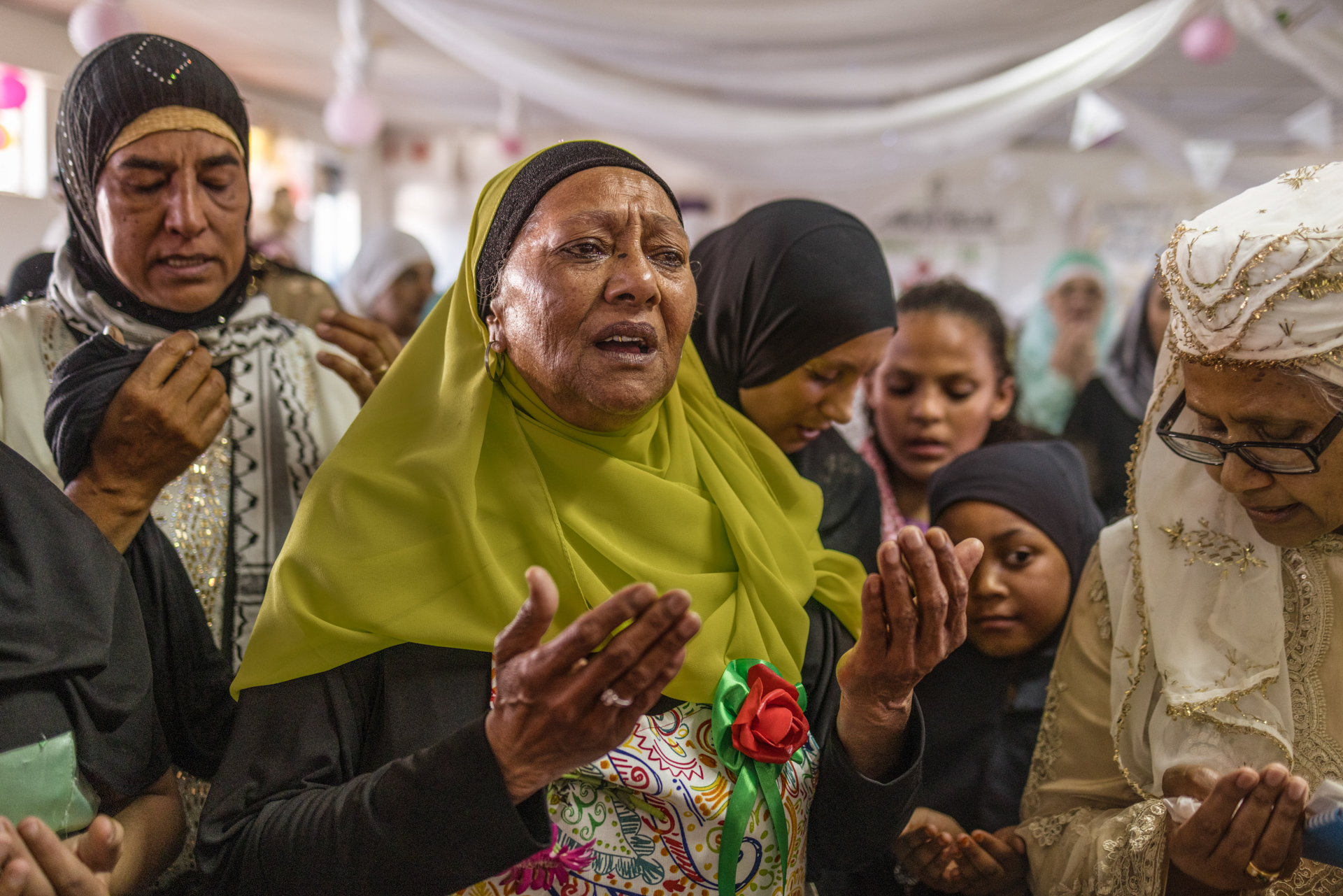
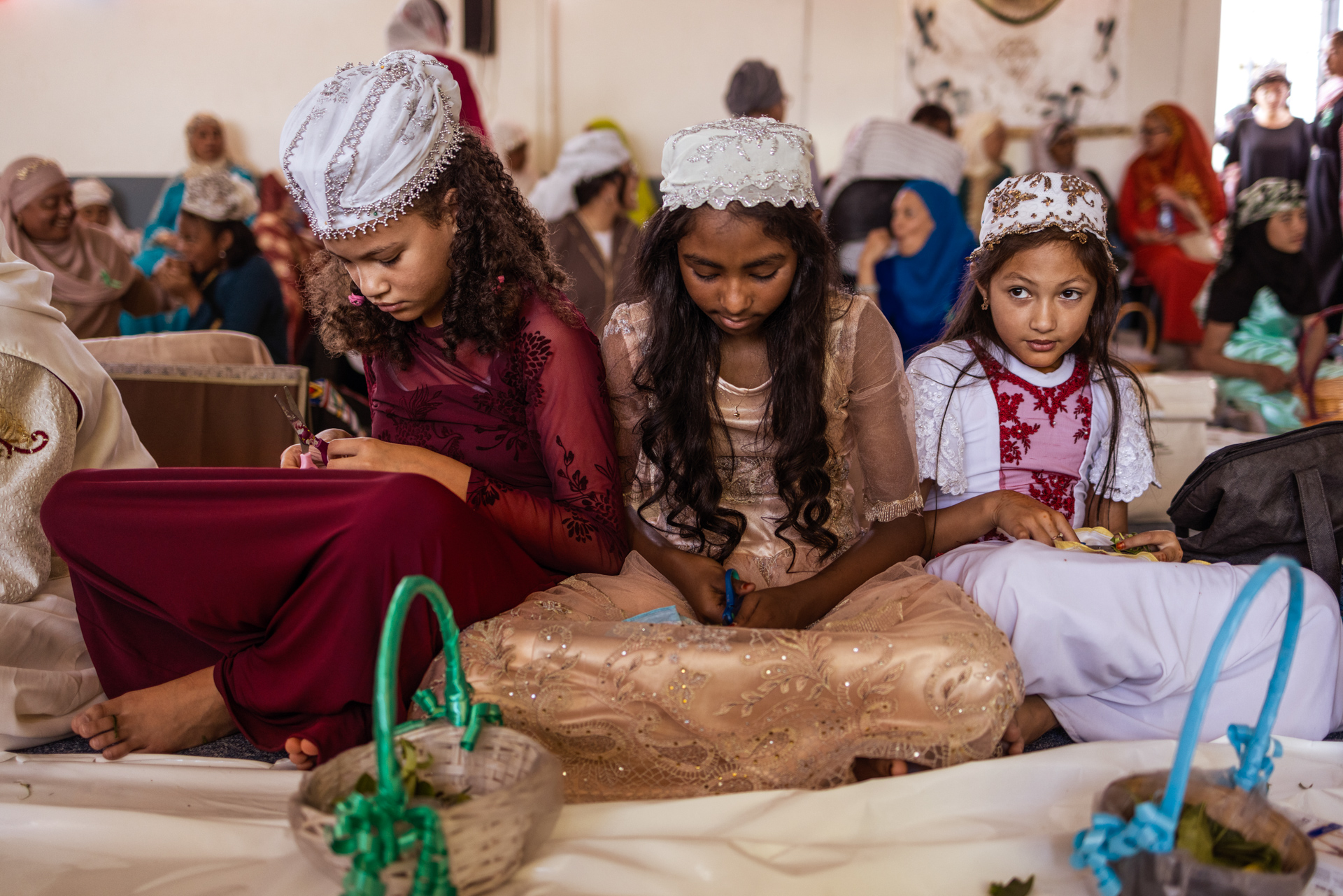
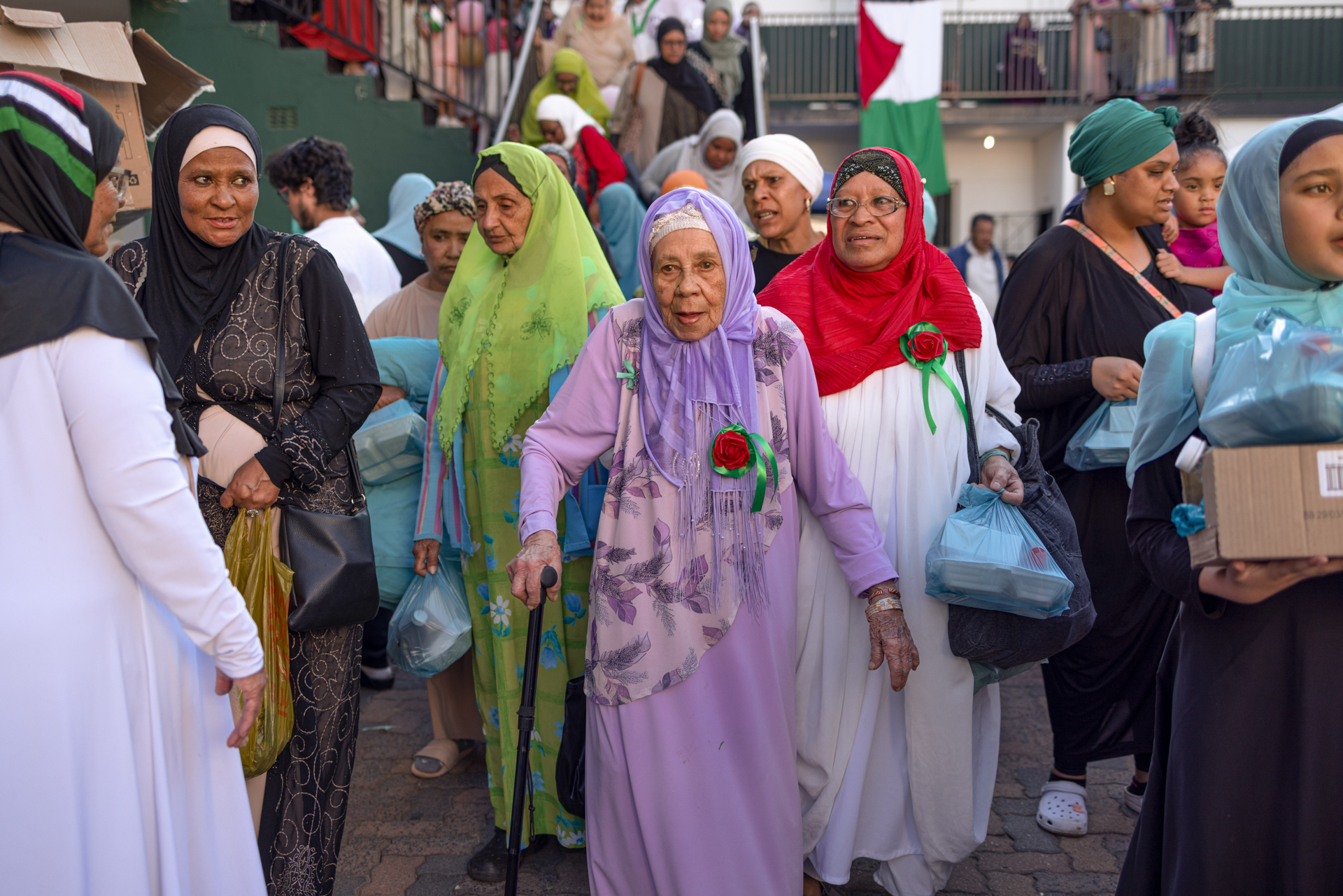
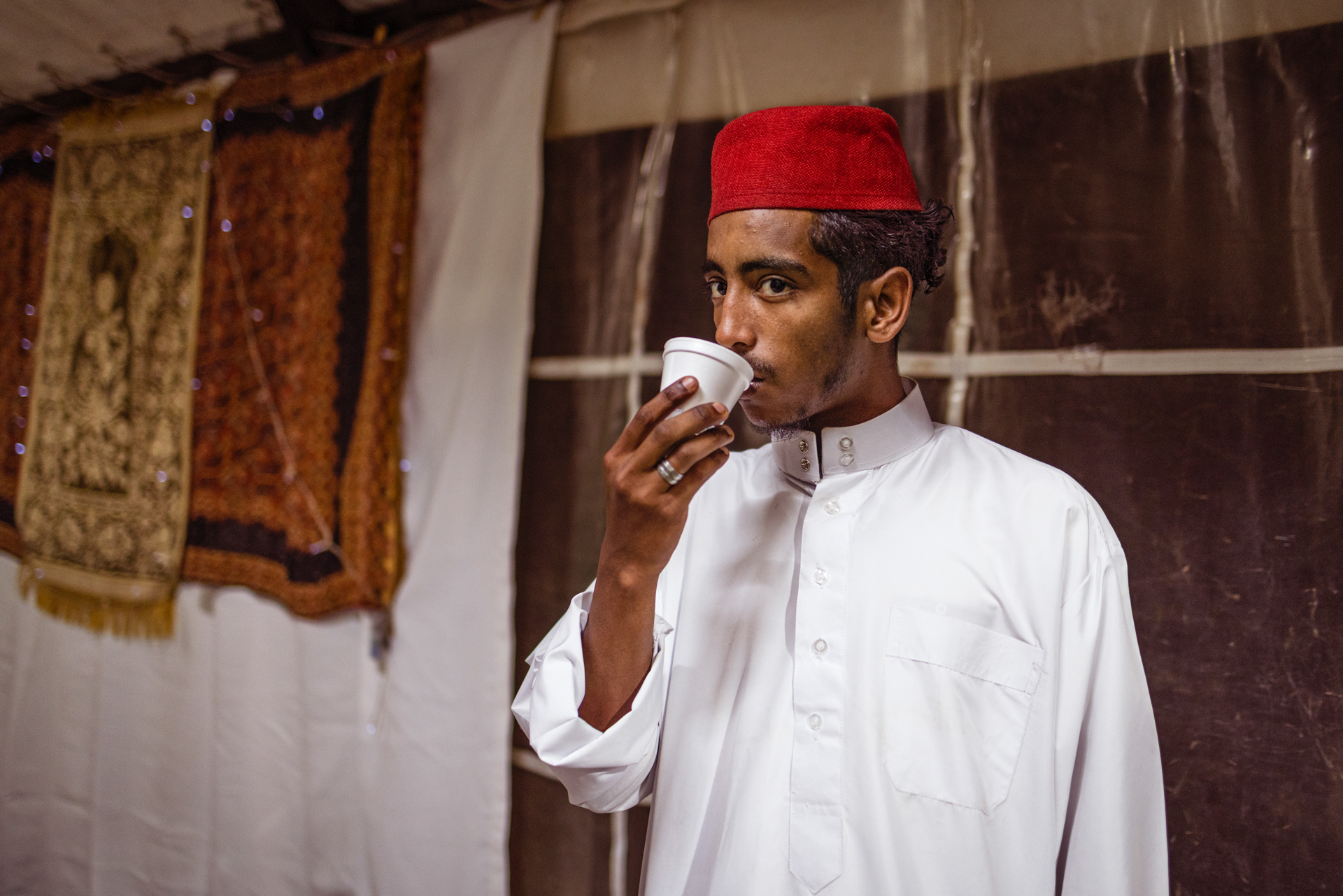
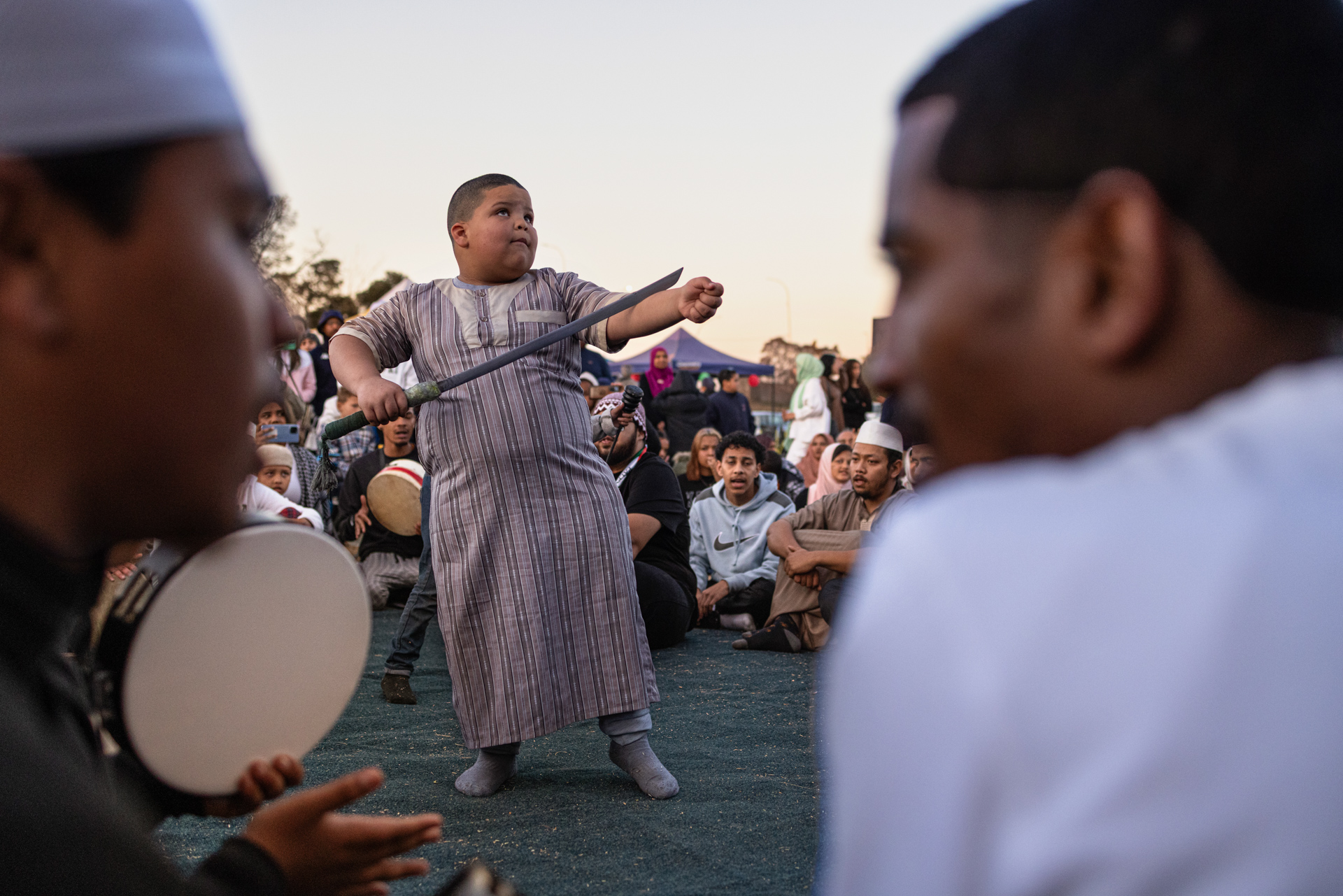
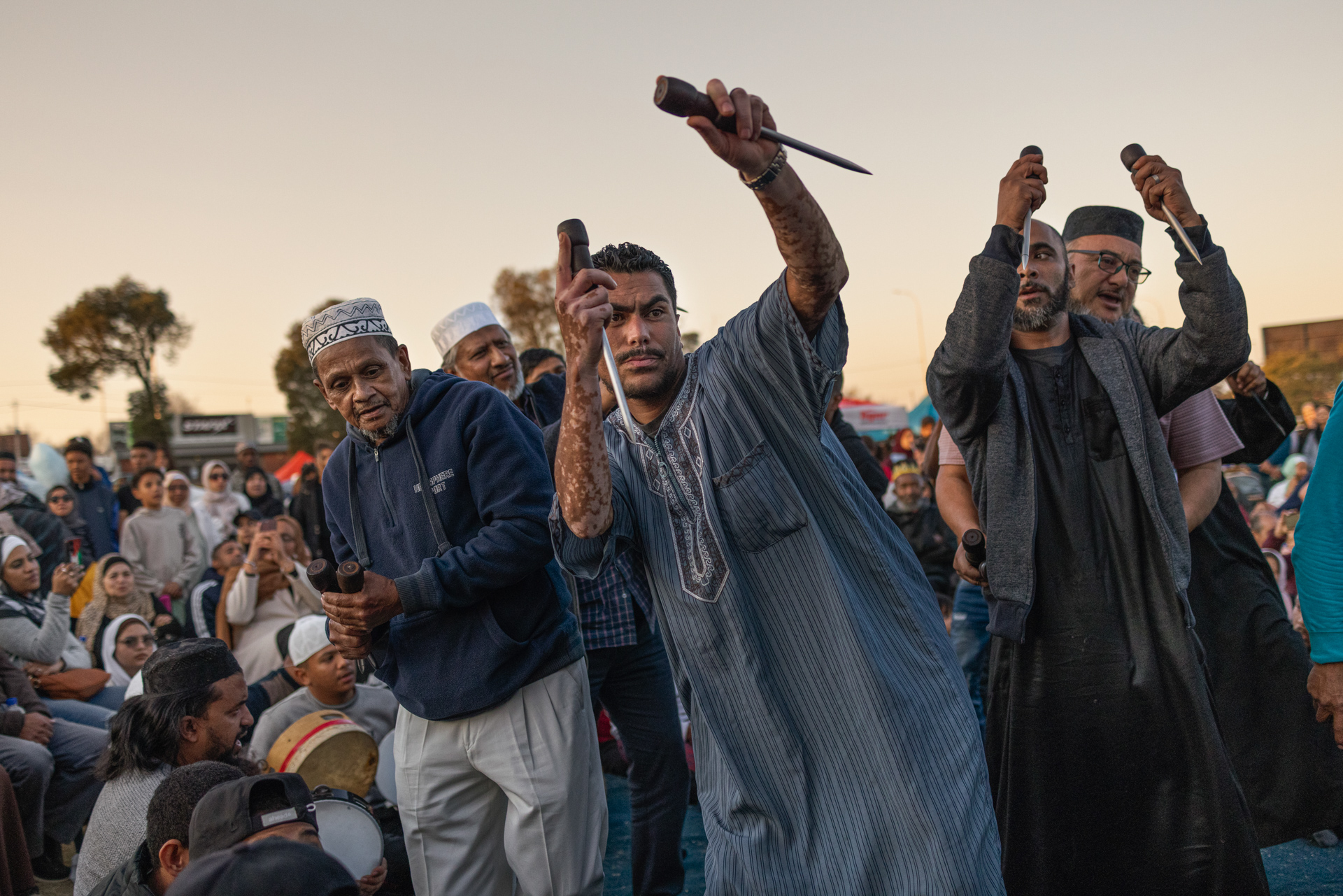
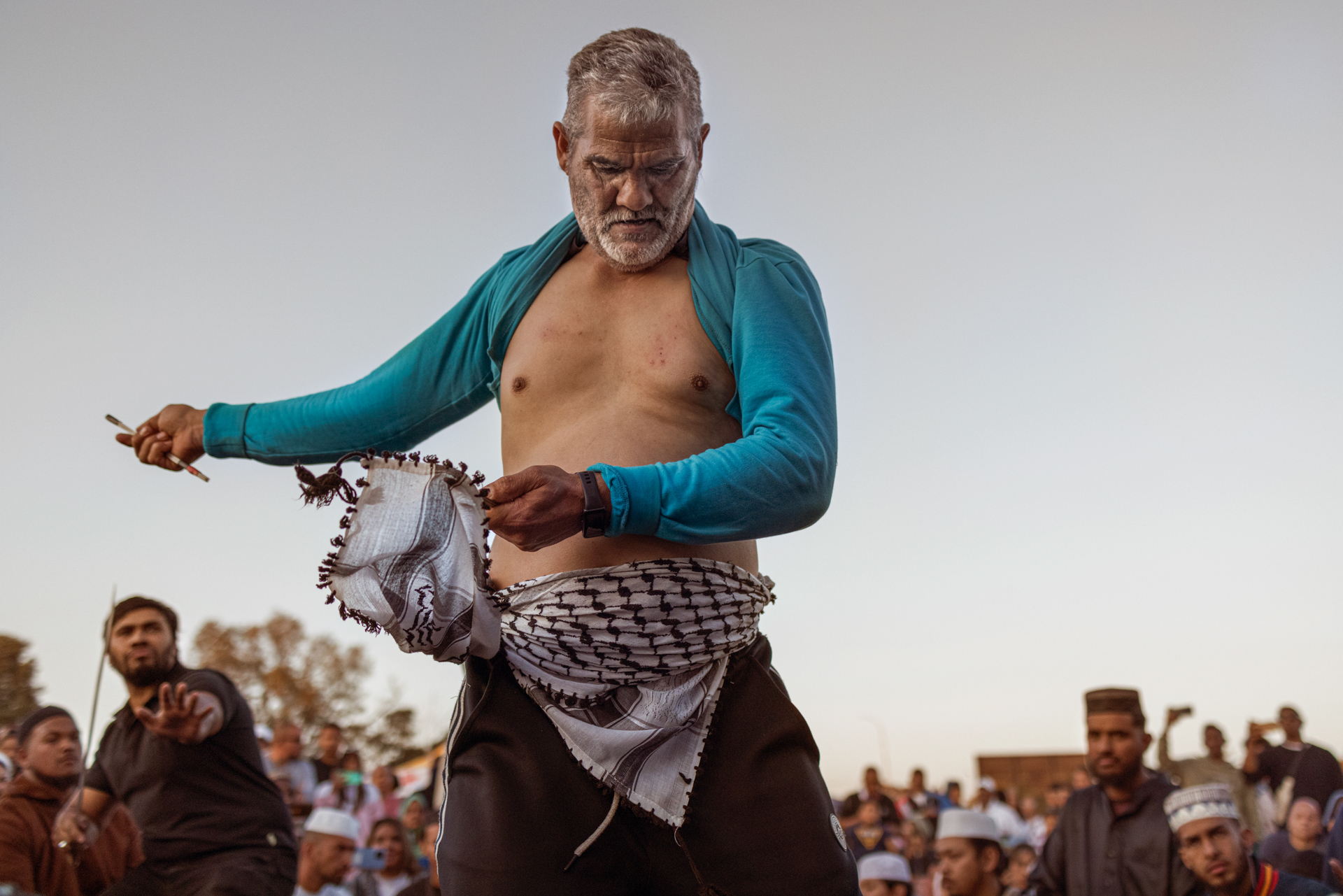
For several years I have been tracing the Cape Creole Muslim community, from the tip of Africa into the urban fabric of Johannesburg; a migration shaped by both choice and coercion. This chapter follows the culture into the highveld: travelled through bodies, through sound, prayer and ritual. “Die Werkslone” – that which cannot be confiscated.
The people here are descendants of the 17th and 18th century Camissa people; they carry the bloodlines of the indigenous, the enslaved, the colonisers, the political insurgents, merchants and wayfarers.
By the 19th century, families such as the Salies and Boomgaards settled in the Transvaal. In places like Fietas and Sophiatown, communities built dense, interconnected lives across the colour lines. Under the Group Areas Act of 1950, these spaces, declared “white areas”, were destroyed through forced removals that displaced thousands of families.
Many so-called “Coloured” and “Malay” people were relocated to townships: Bosmont, Eldorado Park, Riverlea, Ennerdale and others.
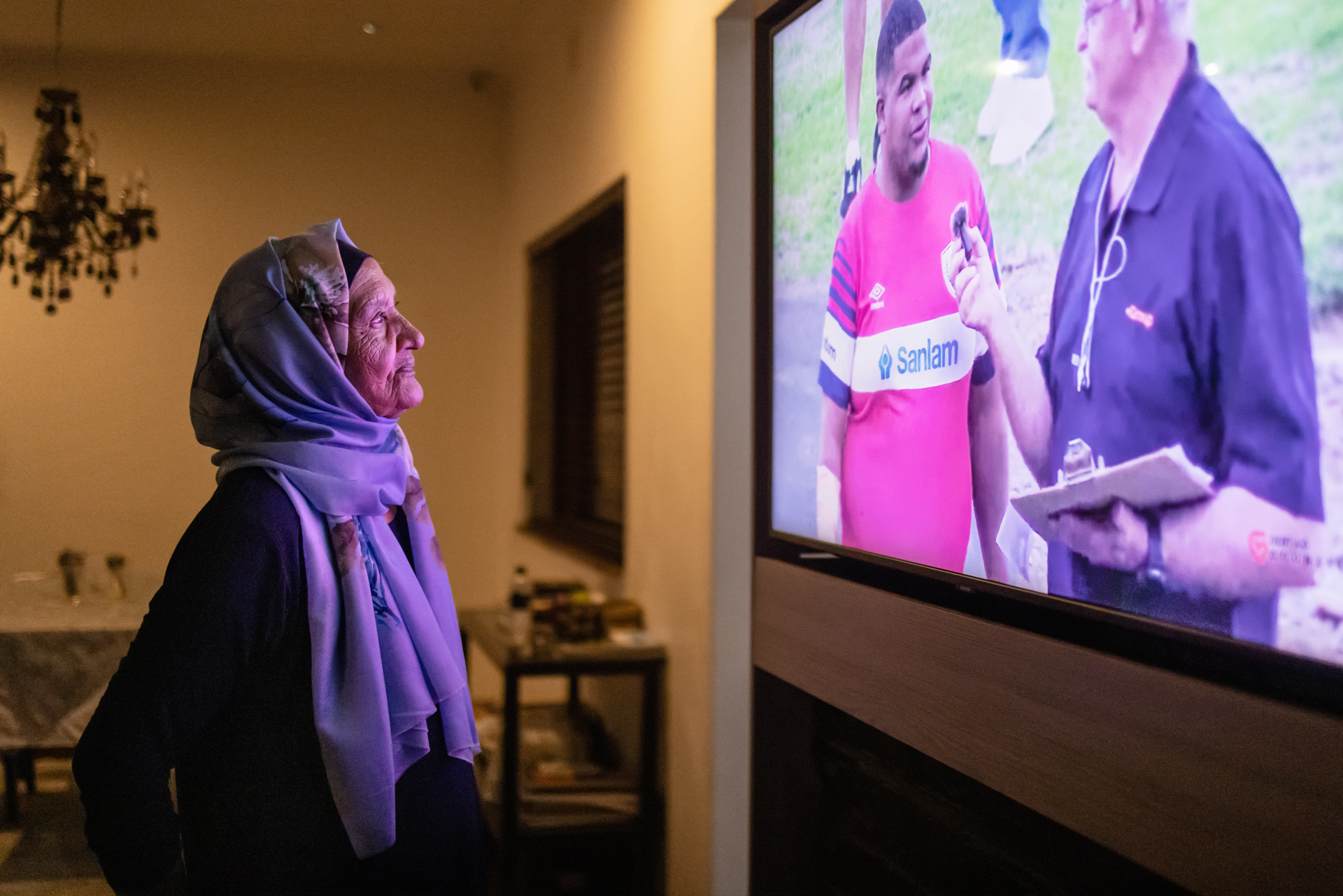
It would be generations before my own family would make their way toward the City of Gold, where today we find ourselves, and a little bit of the Cape, in each other.
Here I reflect on some of the practices that have transcended time and place.
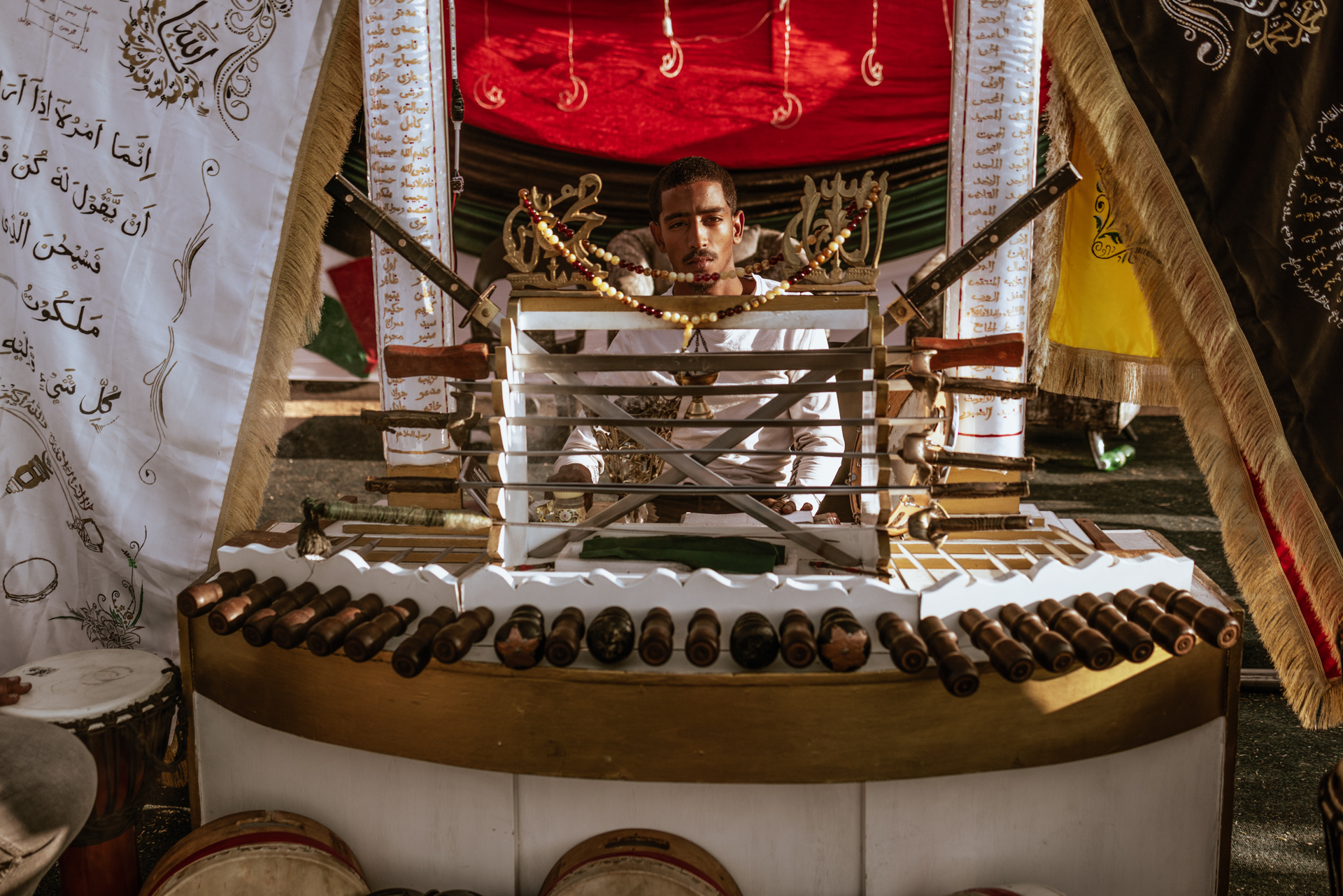
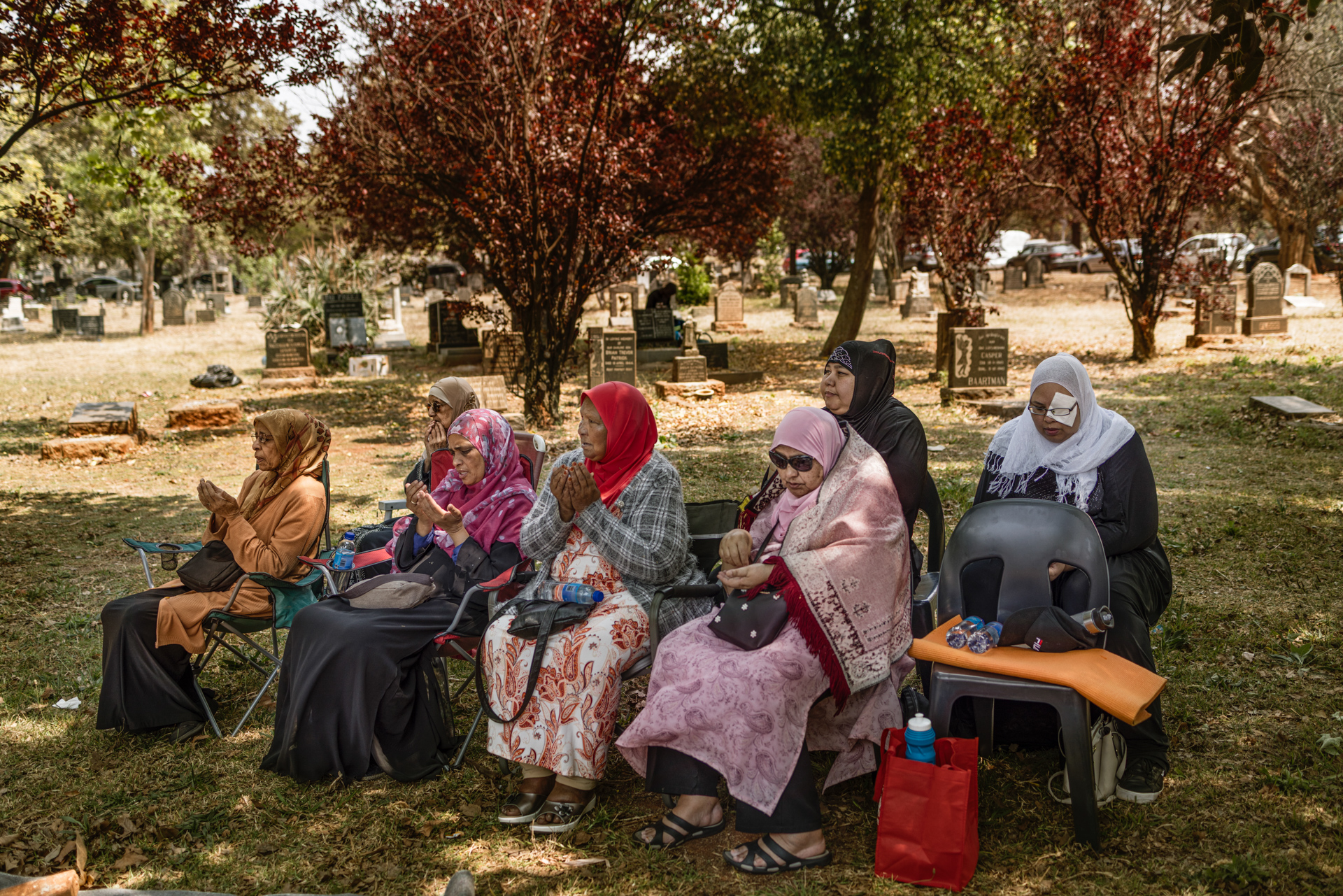
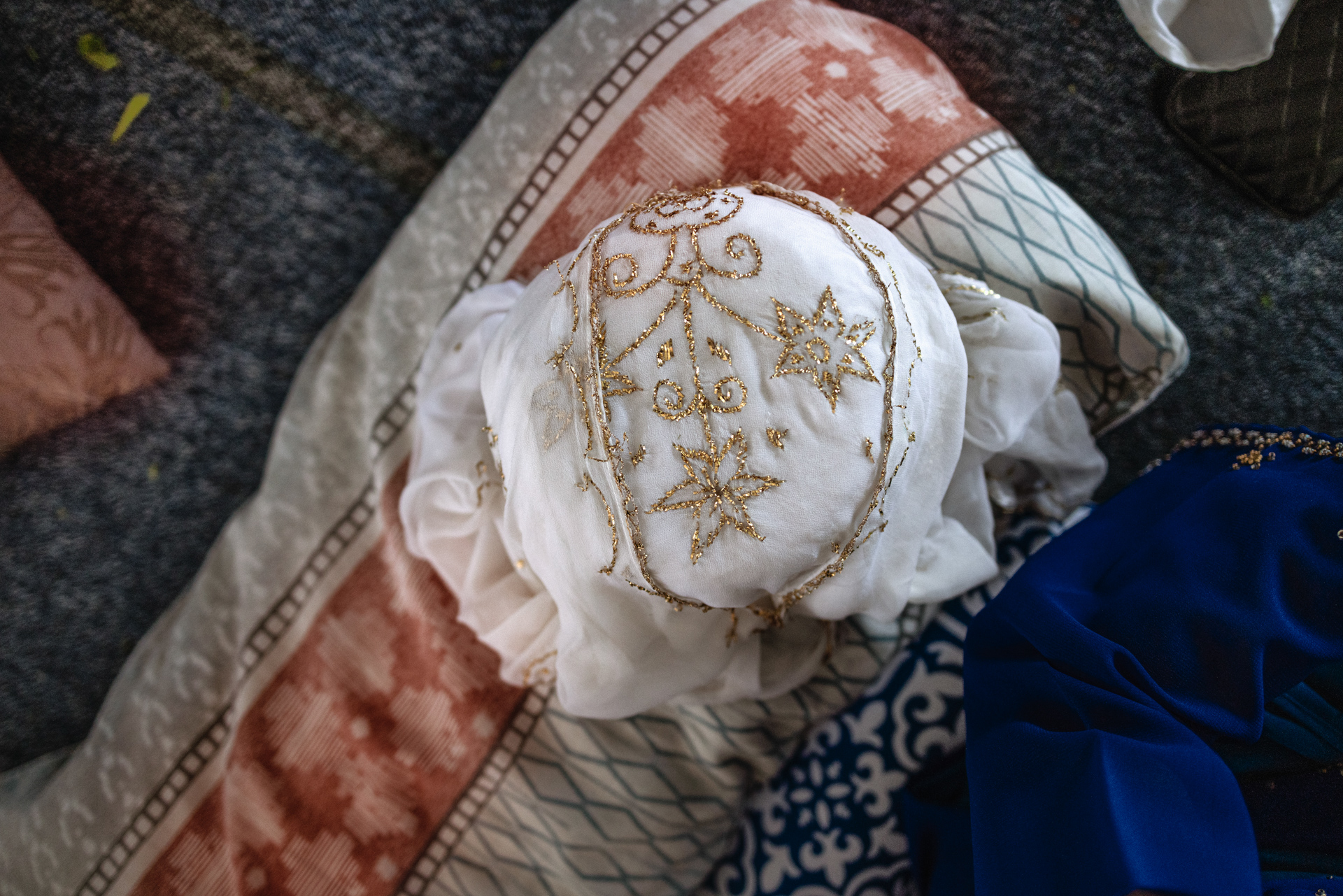
The Moulood and Gadat, rooted in devotional remembrance and communal gathering, trace genealogies of faith connecting Johannesburg to a wider Indian Ocean world.
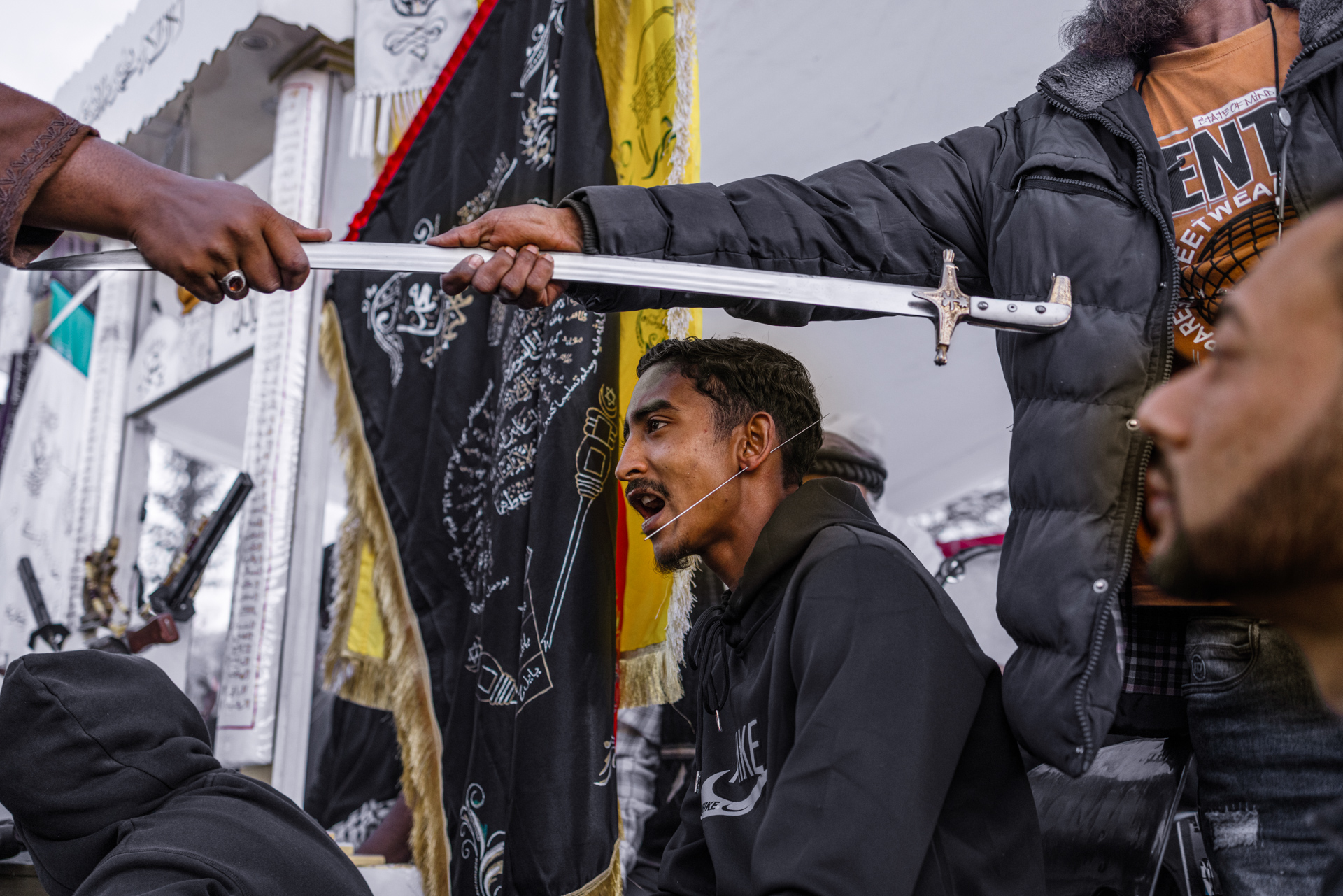
The Ratiep, with its embodied rhythm, Dhikr and collective movement, becomes a form of resistance: a reclaiming of the body despite slavery; of dignity, of spiritual sovereignty.
In Johannesburg, built through extraction, segregation, and migration, The Joburg Jama’ah stands as a counter-archive. Where memory is not static, but practiced, where what is carried is what is continued, rooted and communal.
In these rituals and through remembrance of Allah, the archive is alive; held in the breath of the community.
– an excerpt from The Things We Carry With Us (2017 – ongoing)
June 2026
Gulshan Khan (b 1983 Ladysmith, KwaZulu/Natal) completed the Market Photo Workshop Photojournalism and Documentary Photography Program in 2016. Her work traverses layers of the human experience: memory, identity, transformation, belonging, and dignity; our interconnectedness with the natural world. Inspired by a vision of seeing each other through authentic storytelling, she hopes that we can build a more just and equal world. Her work explores themes that range from politics and climate change, gender-based violence to culture and spirituality.
She is a National Geographic Explorer and former stringer for AFP. She became the first female South African Canon Ambassador and is an honoree of Hundred Heroines, a UK based museum and gallery dedicated to women in photography in 2019.
Gulshan’s work has appeared in many prestigious publications, including The New York Times, National Geographic, Smithsonian Magazine, The Washington Post, The Wall Street Journal, The Financial Times, Sunday Times, The Times, The Wall Street Journal and Paris Match.
Her work is part of the Iziko South African National Gallery’s permanent collection and archive, and her exhibitions have reached audiences across the globe.
With themes that range from politics and climate change, gender-based violence to culture and spirituality, Gulshan has published widely. She is an educator, editor and visual consultant.
Khan has been developing a body of work called The Things We Carry With Us tracing histories of the Indian Ocean slave trade, political exile, spirituality, racial segregation and love through the lens of Islam and her forebears. Through these stories of her ancestors, she seeks to create a meaningful addition to the archive, preserving memory and legacy for future generations.